Can a Phoenix Breathe Fire? Exploring Mythology and Modern Interpretations in 2026. Throughout history, the mythical phoenix has symbolized rebirth and immortality, but one of its most intriguing abilities remains its capacity to breathe fire. As we delve into the legends and modern interpretations in 2026, questions about this fiery trait continue to captivate enthusiasts and scholars alike.
Table of Contents
- The Mythology of the Phoenix in 2026
- Can a Phoenix Breathe Fire? Exploring the Legends
- The Symbolism Behind Fire-Breathing in Phoenix Myths
- Modern Interpretations and Predictions for 2026
- How Artists and Writers Depict the Fire-Breathing Phoenix Today
- Scientific Perspectives: Is Fire-Breathing Possible in Myth and Reality?
- Conclusion
The Mythology of the Phoenix in 2026
The phoenix appears across a multitude of cultures, from Ancient Greece and Egypt to Chinese mythologies, each offering unique perspectives on this legendary bird. Traditionally, the phoenix is depicted as a magnificent, radiant bird that cyclically regenerates through fire and ashes. In 2026, the myth still holds immense cultural significance, symbolizing renewal, resilience, and the perpetual cycle of life and death.
In Greek mythology, the phoenix is said to live for approximately 500 years before bursting into flames and rising anew from its ashes. Similarly, in Egyptian lore, the Bennu, a bird often associated with the phoenix, represented creation and rebirth. Meanwhile, in Chinese mythology, the Fenghuang embodies harmony and balance, sometimes depicted with fiery attributes.
Despite variations, a common thread remains: the phoenix’s association with fire, both destructive and purifying. Over centuries, these stories have persisted and evolved, influencing modern pop culture and scientific curiosity.
Can a Phoenix Breathe Fire? Exploring the Legends
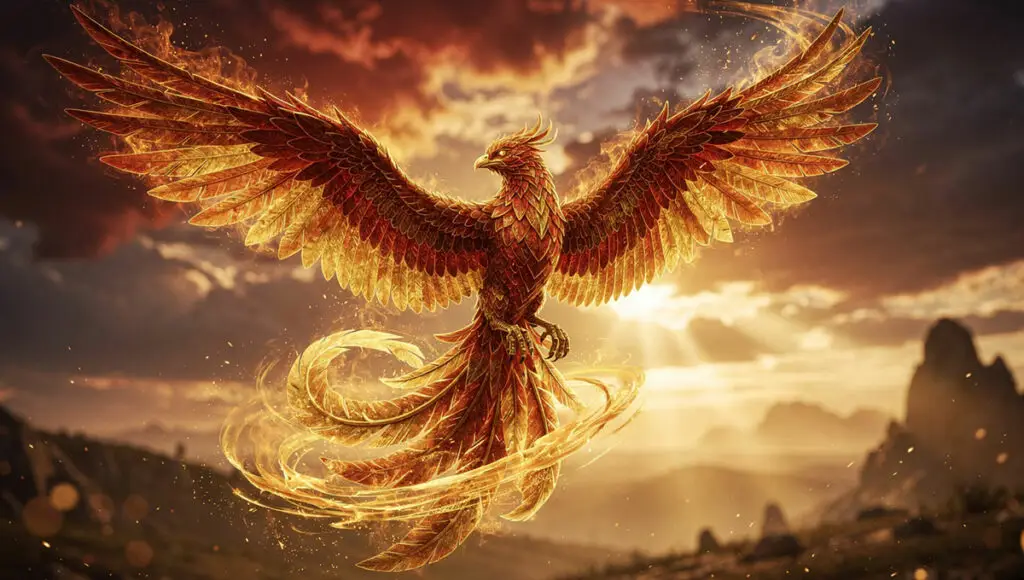
The question, “can a phoenix breathe fire,” has fueled speculation for centuries. Mythologically, the phoenix is often depicted as a bird with a fiery plumes that emit flames, signaling its inner power to ignite and rebirth itself. Some ancient art and texts explicitly depict the phoenix engulfed in flames or breathing fire as part of its majestic display.
However, actual descriptions vary, some tales specify that the phoenix’s fire is more symbolic than literal, representing purification rather than actual combustion. In others, the fire is an essential characteristic, reinforcing its connection to the sun gods or divine energies.
Modern interpretations sometimes depict the phoenix as a creature capable of spewing flames or emitting fire-scented embers. Despite this, there is no scientific evidence that any mythical or real creature can breathe fire like dragons—yet, the myth persists because of its powerful symbolism and artistic allure.
The Symbolism Behind Fire-Breathing in Phoenix Myths
Symbol of Rebirth and Transformation
The primary symbolism regarding fire-breathing phoenix myths is transformation. Fire signifies destruction of the old, clearing the way for renewal. When a phoenix is described as breathing fire, it emphasizes the idea of a cleansing process, burning away the past to embrace new beginnings.
Divinity and Power
Fire is often associated with divine power and the Sun. The phoenix’s fiery traits elevate it to status of divine messenger or a symbol of divine energy—an immortal creature embodying the primal forces of nature.
Protection and Destruction
In some cultures, the fire-breathing aspect of the phoenix also symbolizes protection from evil and destruction of negative forces. The bird’s fiery display acts as both a shield and a warning, illustrating strength and resilience.
Understanding these symbolic elements clarifies why fire is so tightly woven into phoenix legends, and why it remains an enduring symbol of hope and regeneration in 2026.
Modern Interpretations and Predictions for 2026
As we progress further into 2026, the phoenix continues to inspire a broad array of modern interpretations across multiple domains—literature, entertainment, and even technology.
In Literature and Media
Contemporary writers and filmmakers often portray the phoenix with fiery traits, emphasizing its flaming feathers or ability to spew fire, adapting the myth for modern audiences. For example, popular fantasy series released in 2026 frequently feature phoenix characters that breathe fire, symbolizing strength amidst chaos. These interpretations serve not only as entertainment but also as metaphors for personal transformation and resilience.
In Popular Culture and Fashion
The fiery phoenix motif remains prevalent in fashion, tattoos, and art in 2026. Designer collections incorporate phoenix imagery to evoke themes of rebirth and power, often integrating actual LED or holographic effects to simulate fire, bringing myth into the realm of cutting-edge technology.
Science and Future Predictions
While the literal ability of a phoenix to breathe fire remains mythical, advances in 2026 in nanotechnology and bioengineering have led to innovations mimicking fire-like effects. Researchers are developing bio-luminescent particles and flameless combustion devices that could illuminate or produce intense heat without flames—somewhat echoing the fiery symbolism of the phoenix.
Experts predict that future storytelling might incorporate these technological advances, blurring the lines between myth and science, and perhaps inspiring the next generation of fire-breathing illusions on stage or in virtual environments.
How Artists and Writers Depict the Fire-Breathing Phoenix Today
In 2026, artists and writers continue to innovate in depicting the phoenix. Visual artists often use augmented reality (AR) and holography to create dynamic representations of the fiery bird, allowing viewers to experience the myth in immersive ways.
Writers tend to explore deeper symbolism, imagining phoenixes that breathe fire as manifestations of inner strength or societal upheaval. Graphic novels and movies frequently portray phoenixes with elaborate flames—whether in fiery wings, radiant auras, or actual flames emanating from their beaks—as a visual marker of their eternal cycle of death and rebirth.
This ongoing creativity keeps the myth relevant, merging ancient symbolism with modern technology and storytelling techniques.
Scientific Perspectives: Is Fire-Breathing Possible in Myth and Reality?
From a scientific standpoint, the concept of a creature breathing fire remains within the realm of myth. No known animal has the biological capacity to produce and project flames safely, primarily due to the extreme heat and chemical processes involved.
However, some animals like bombardier beetles or spitting cobras have evolved mechanisms to eject corrosive or heat-generating substances defensively. These adaptations are not comparable to fire-breathing but demonstrate nature’s capacity for chemical defense.
Scientists have investigated the possibility of bio-engineering creatures that could mimic fire, often through bio-luminescence and controlled chemical reactions.
Even so, creating a living organism capable of reliably breathing fire, as depicted in myth, remains beyond current scientific capabilities in 2026.
While the fiery trait of the phoenix remains a symbolic and mythic feature, ongoing research into bio-engineering and chemical reactions continues to inspire futuristic concepts that could one day bring elements of this myth to a scientific reality.
Conclusion
In 2026, the question can a phoenix breathe fire remains primarily rooted in myth, rich with symbolism and cultural meaning. From ancient legends to modern storytelling, the fiery traits of the phoenix symbolize transformation, divine power, and resilience. Although science has yet to realize fire-breathing in living creatures, technological innovations and artistic expressions continue to breathe new life into this captivating myth. As we move forward, the phoenix’s fiery symbolism endures, inspiring hope and renewal across generations.
Whether as myth, art, or emerging science, the fiery phoenix remains an enduring emblem of rebirth, a timeless creature whose flames will continue to light our imaginations well into 2026 and beyond.