This one is a little bit différent but still links to the mythical creatures. Since the dawn of civilization, myths have been the bedrock of humanity’s imagination. They are not simply old stories but living narratives that echo through every genre, from classic literature to blockbuster films. Let’s celebrate the enduring power of myth and its profound influence on the tales we love today.
Table of Contents
- The Hero’s Journey: Blueprint for Modern Epics
- Mythical Creatures: From Codex to Cinematic Universe
- Archetypes and Jung: The Psychology of Myth
- Myth and National Identity: Stories That Shape Societies
- Superheroes: The New Pantheon
- Modern Storytellers and Mythic Inspiration
The Hero’s Journey: Blueprint for Modern Epics
One of myth’s greatest gifts to storytelling is the universal
Hero’s Journey. Joseph Campbell’s concept—outlined in “The Hero with a Thousand Faces”—reveals how timeless patterns from ancient myths are recycled in modern narratives:
- Departure: The hero leaves the familiar for the unknown (e.g., Odysseus sets sail, Luke Skywalker leaves Tatooine).
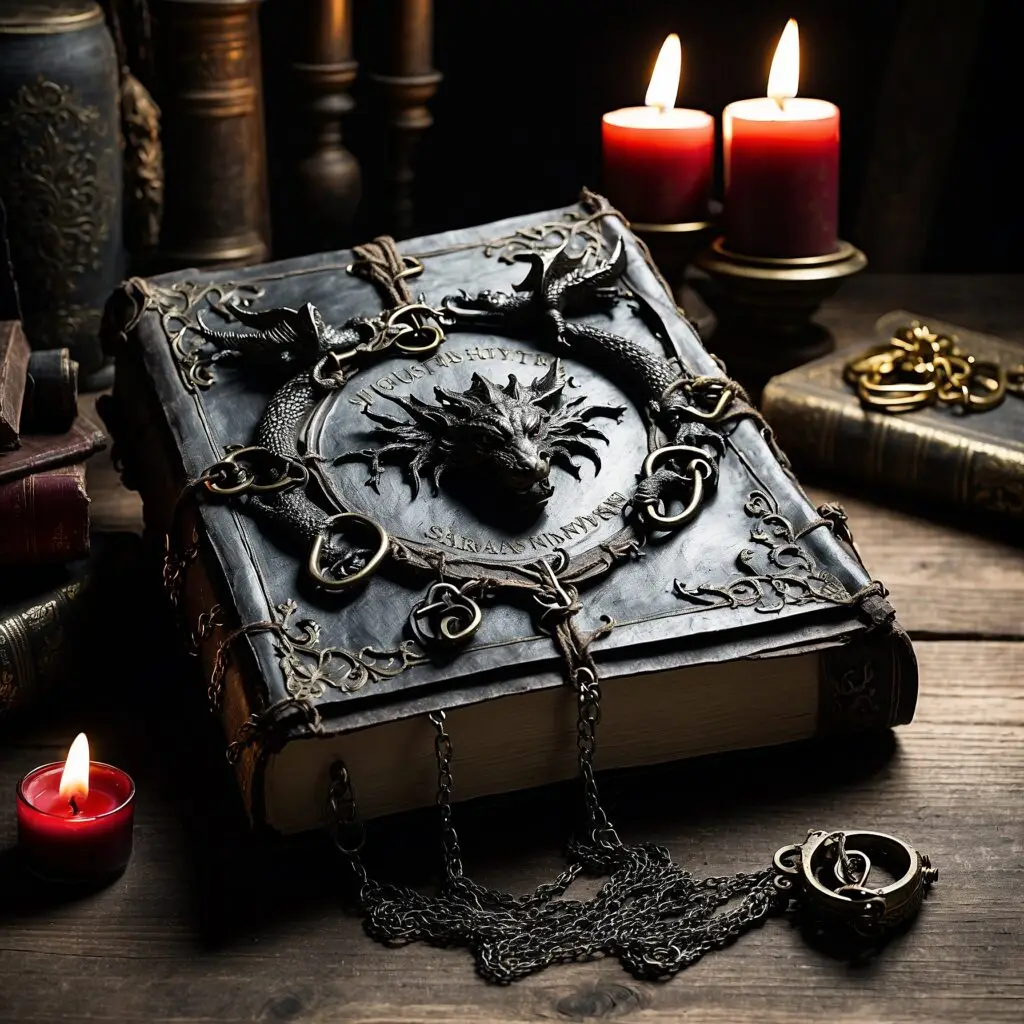
- Initiation/Trials: Monsters are faced, mentors appear, and wisdom is earned (think Dragons in the Codex, Gandalf in Tolkien).
- Return/Transcendence: The hero brings back new knowledge or power, changed forever.
Mythical Creatures: From Codex to Cinematic Universe
The extraordinary beasts of legend (dragons, unicorns, hydras, and more) still stalk the landscapes of modern fiction. These creatures:
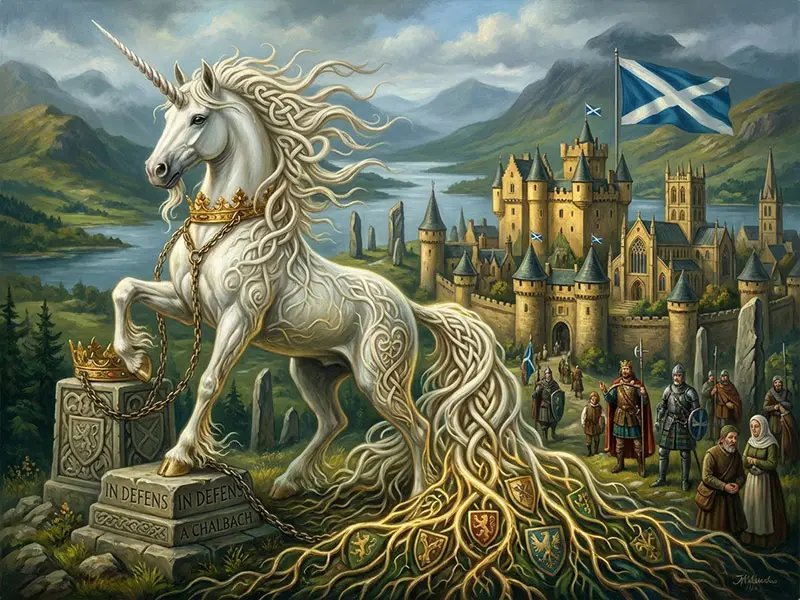
- Symbolize universal fears and hopes (dragons = chaos, unicorns = purity).
- Inspire the design of cinematic monsters and protectors (Smaug in “The Hobbit”, Drogon in “Game of Thrones”).
- Remain central to fantasy novels, games, and films. Explore our Codex of the Beasts to see how ancient DNA persists in pop culture.
- Departure: The hero leaves the familiar for the unknown (e.g., Odysseus sets sail, Luke Skywalker leaves Tatooine).
- Initiation/Trials: Monsters are faced, mentors appear, and wisdom is earned (think Dragons in the Codex, Gandalf in Tolkien).
- Return/Transcendence: The hero brings back new knowledge or power, changed forever.
Mythical Beast Origins & Modern Counterparts
| Ancient Myth | Modern Story | Role/Meaning |
|---|---|---|
| Hydra | Marvel’s Hydra | Enduring evil, chaos |
| Phoenix | Harry Potter | Rebirth, hope |
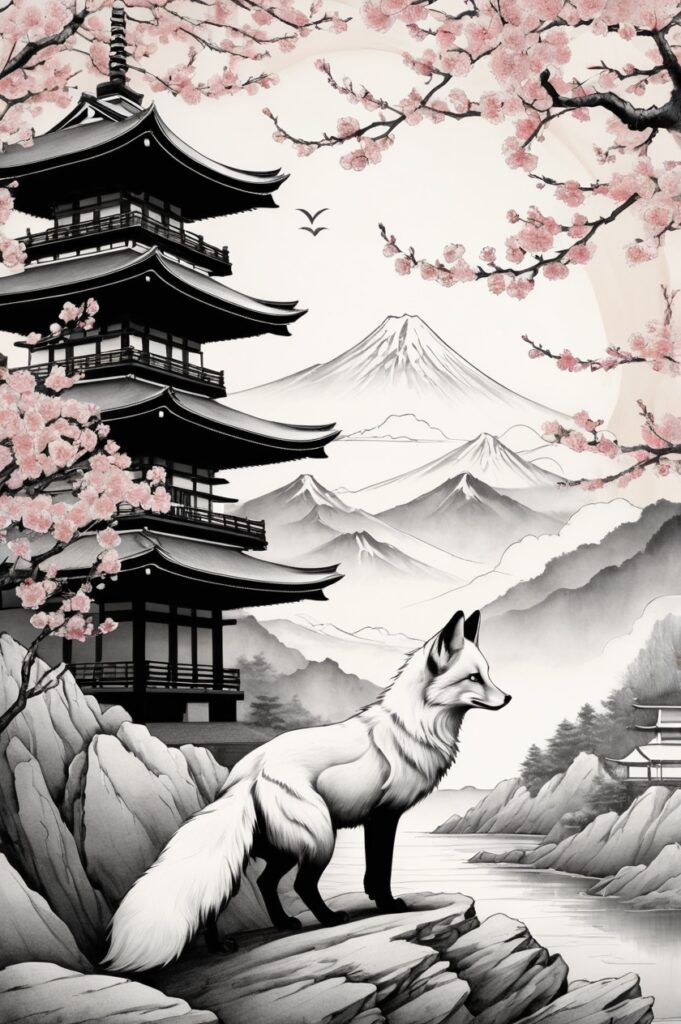
| Kitsune | Anime/Fantasy | Trickster, transformation |
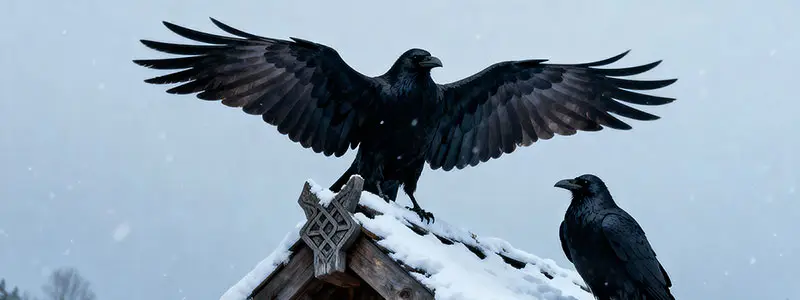
| Crows (Norse/Celtic) | Game of Thrones | Omens, wisdom |
Archetypes and Jung: The Psychology of Myth
Carl Jung theorized that myths express archetypes, universal patterns of human behavior. These show up everywhere:
- Wise Mentor: Merlin, Odin, Dumbledore, Yoda
- Trickster: Loki, Hermes, Jack Sparrow
- Shadow: The hidden, darker self—Darth Vader, Gollum
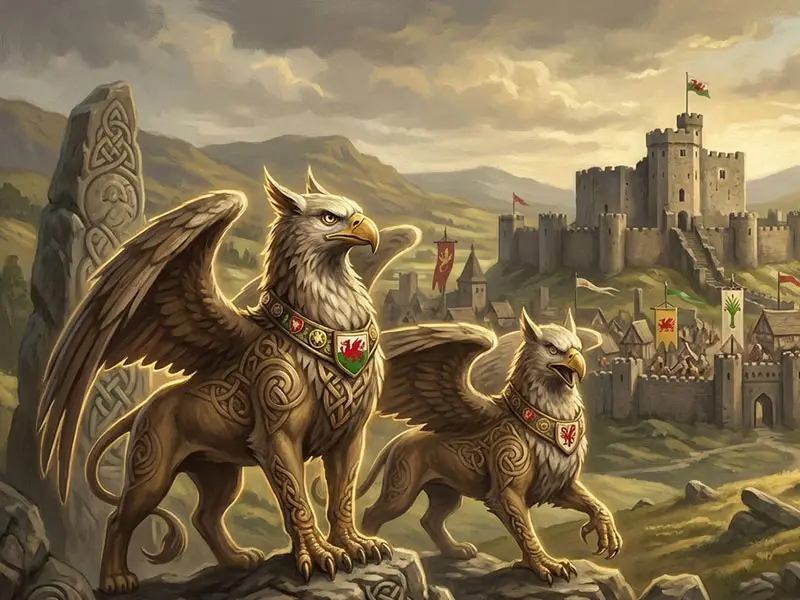
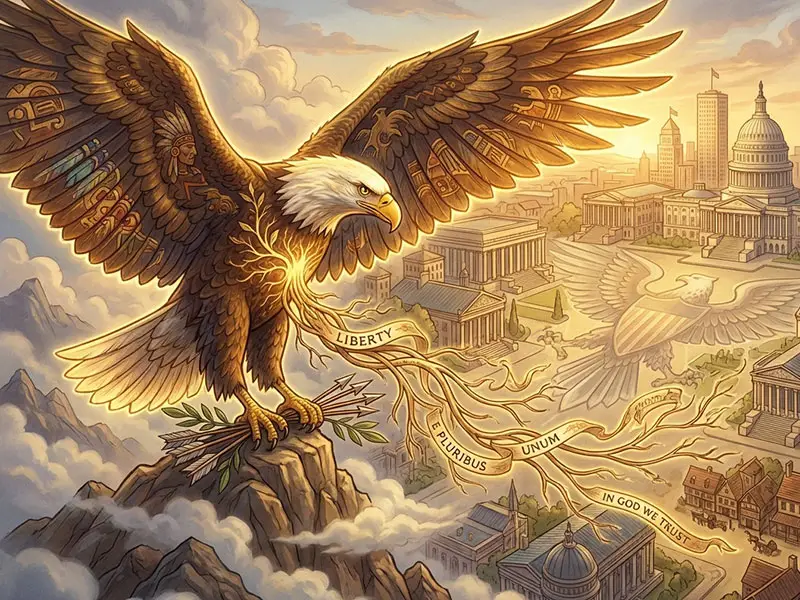
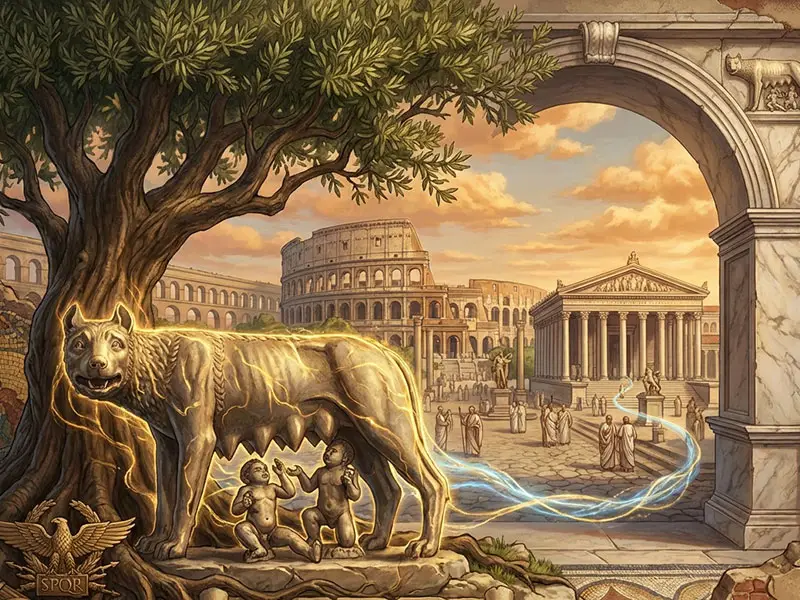
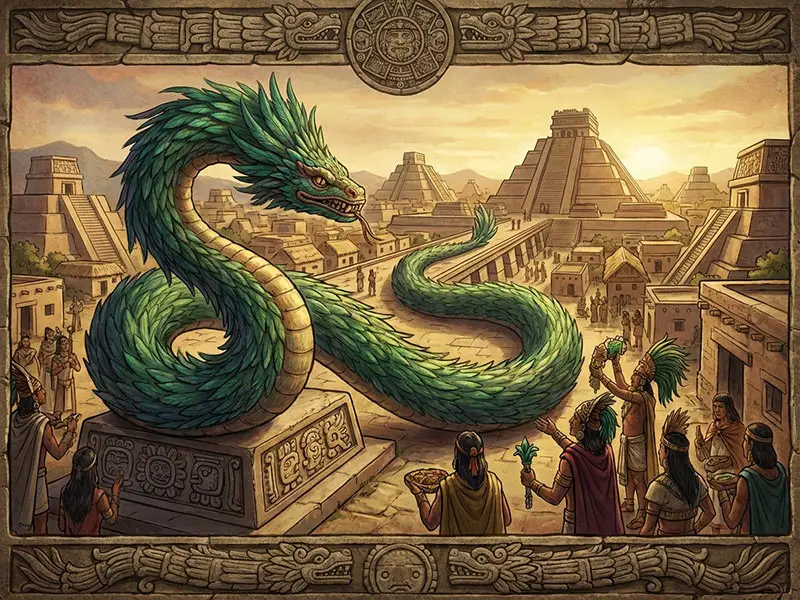
Myth and National Identity: Stories That Shape Societies
Myths are the DNA of nations. Founding legends influence how societies see themselves and their destinies:
- Rome: Descendants of Aeneas, destined for greatness.
- USA: Manifest Destiny, a continent-spanning mission.
- Modern Media: National legends inspire movies, games, and even political rhetoric
Superheroes: The New Pantheon
Today’s superheroes are our modern gods:
- Superman: Paragon of justice, echoing Hercules or Perseus.
- Wonder Woman: Directly inspired by Amazonian myth.
- Batman: Mortal hero, a detective Odysseus for the urban age.
- Marvel’s Eternals: Reimagined ancient deities for a new era.
They adapt, reflecting current values, anxieties, and dreams—just as Zeus, Thor, or Anansi once did.
Table: Ancient Deity vs. Superhero
| Ancient Deity | Superhero | Shared Traits |
|---|---|---|
| Hercules | Superman | Super strength, moral test |
| Athena | Wonder Woman | Wisdom, war, justice |
| Loki | Loki (Marvel) | Trickster, chaos, ambiguity |
Superheroes: The New Pantheon
Authors, filmmakers, and game designers continually mine myth for narrative gold:
- Literature: Madeline Miller’s “Circe”, Neil Gaiman’s “Norse Mythology”
- Film: “Percy Jackson”, “Black Panther” (Wakanda as mythic utopia)
- Games: “God of War”, “Assassin’s Creed: Valhalla”
At Mythical Creatures DNA, our Journal explores how these inspirations shape new legends. Join our discussions or submit your own myth-inspired work!
| Myth Element | Modern Equivalent | Example |
|---|---|---|
| Quest for Relic | Heist/Artifact Hunt | “Indiana Jones”, “The Hunt” |
| Monster Slayer | Sci-fi/Fantasy Hero | “The Witcher”, “KaonsK” |
| Divine Intervention | Deus ex Machina Plot | “The Matrix”, “Marvel” |
| Transformation | Coming-of-age Arc | “Harry Potter” |
Conclusion
Myths are the ancient code embedded in our cultural DNA. From the Codex of the Beasts to the silver screens of Hollywood, they shape our stories, our dreams, and our sense of wonder. At Mythical Creatures DNA, we invite you to explore, create, and share in this living tradition, where the past and present dance together in the imagination.