Kitsune Legends: The Mystical Foxes of Japanese Folklore
Welcome, travelers of myth and seekers of truth!
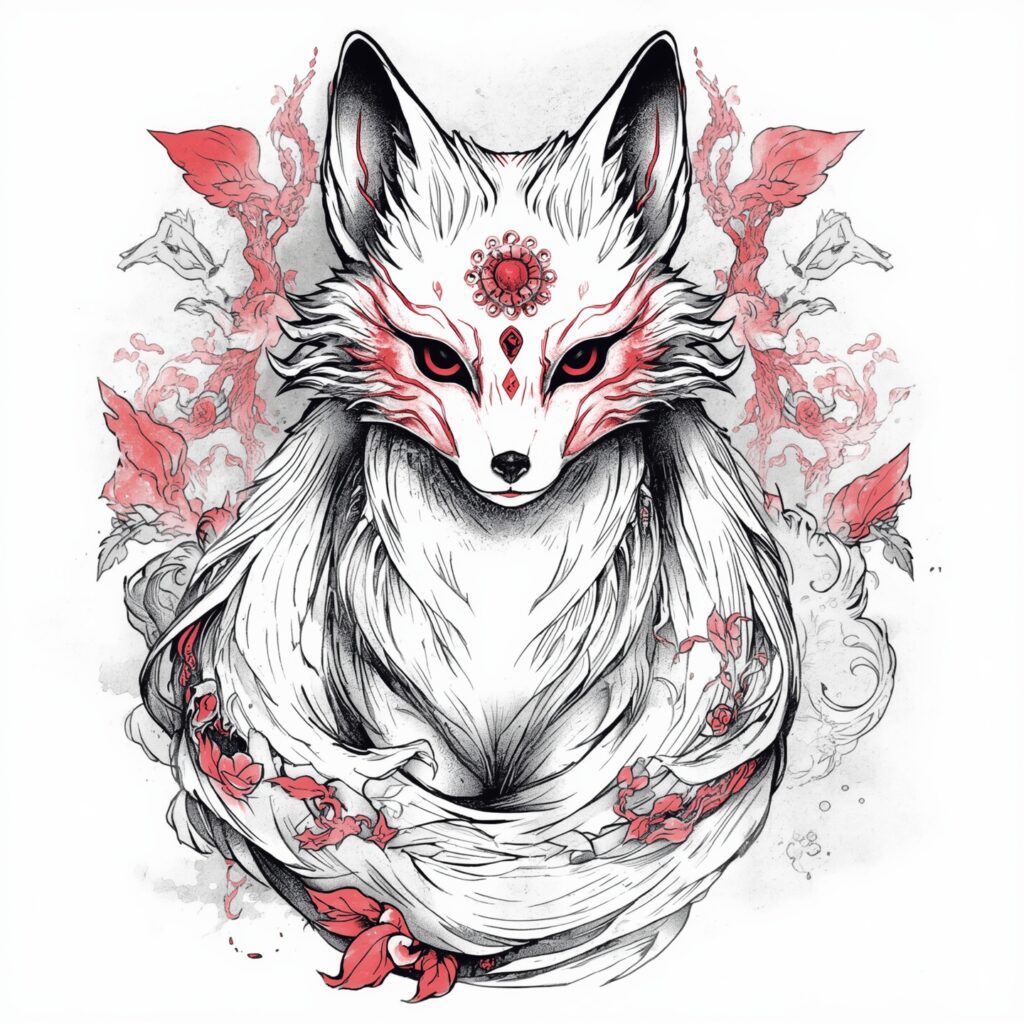
Within the ancient forests and shimmering rice fields of Japan, the figure of the kitsune, the magical fox, weaves through story and spirit. Revered, feared, and endlessly fascinating, kitsune legends are a cornerstone of Japanese folklore. This page is your complete guide to the legends, tales, and mysteries surrounding the kitsune.
Table of Contents
What is a Kitsune? The Essence of the Fox Spirit
Origins and Etymology
The Dual Nature: Guardian and Trickster
Kitsune Types and Hierarchies
Legends and Notable Tales
Kitsune in Religion: Messengers of Inari
Shape-Shifting and Powers
Kitsune in Art and Modern Culture
Sacred Shrines and Rituals
Kitsune in Food and Festivals
Symbolism and Legacy
FAQ: Kitsune in the Mythical Creatures DNA Codex
1.What is a Kitsune? The Essence of the Fox Spirit
Kitsune is the Japanese word for fox, but in folklore, it describes a supernatural being with magical powers. Kitsune are famed for their:
Intelligence and cunning
Shape-shifting ability, especially into beautiful women
Long life and growing power, with up to nine tails
Role as both protectors and tricksters
2.Origins and Etymology
The word “kitsune” appears as early as the 8th century in Japanese texts. Scholars debate its origins, but folklore gives playful explanations such as “come and sleep” (kitsune) and “always comes” (ki-tsune). The fox’s cry, once written as “kitsu,” is another possible linguistic ancestor.
Did You Know? Foxes were natural allies of farmers, eating the rats that threatened rice crops. This practical respect blossomed into spiritual reverence and mythic imagination.
3.The Dual Nature: Guardian and Trickster
Kitsune are renowned for their duality. Some legends cast them as benevolent guardians (zenko), while others tell of mischievous or even vengeful wild foxes (nogitsune or yako).
Type
Alignment
Typical Traits
Zenko
Benevolent
Protectors, messengers, wise
Nogitsune
Malevolent
Tricksters, possessive, vengeful
Kitsune may:
Guide lost travelers to safety or lead them astray
Repay kindness or avenge insults
Serve as faithful wives or cunning seductresses
4. Kitsune Types and Hierarchies
Inari foxes (zenko) are ranked spiritually, with types such as:
Tenko (celestial fox): Most ancient, supreme power
Kinko, Ginko, Byakko, Kuroko: Gold, silver, white, and black foxes—each with unique attributes
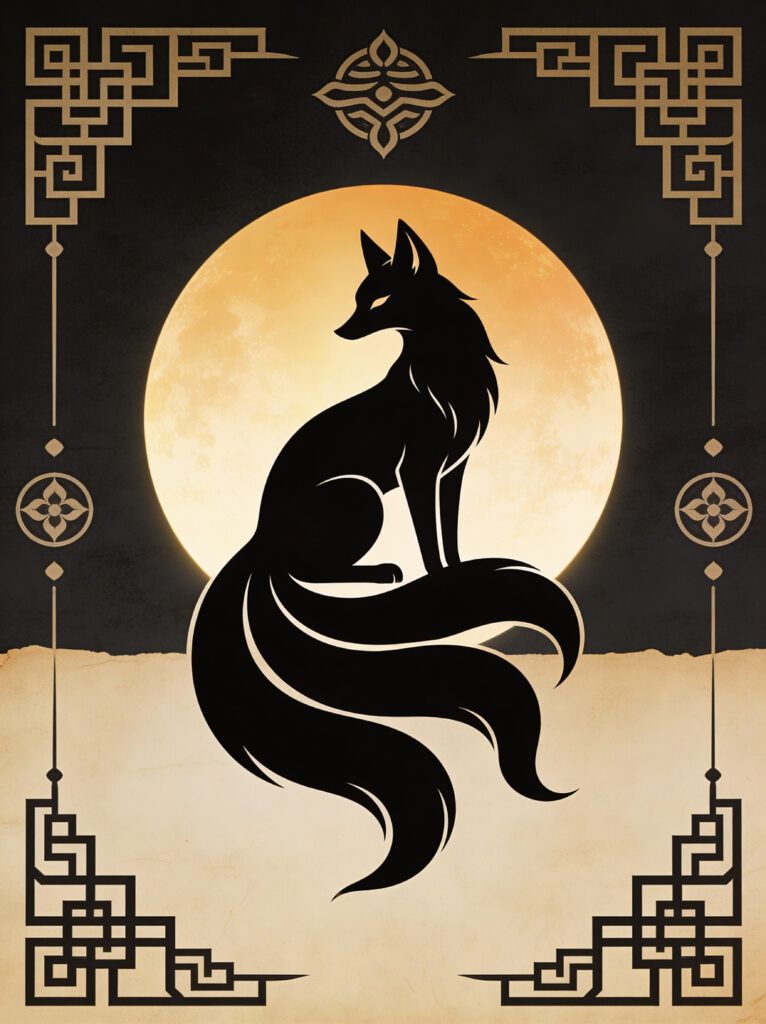
Nine-tailed fox (Kyubi no Kitsune): The zenith of kitsune power, wisdom, and magic
The number of tails marks a kitsune’s age and strength. A nine-tailed fox is a force to be reckoned with, capable of grand enchantments.
5. Legends and Notable Tales
Tamamo-no-Mae: The Nine-Tailed Fox
In the 12th century, the Japanese Imperial Court was the pinnacle of refinement, and a breeding ground for shadows. Into this world stepped Tamamo-no-Mae. She was a woman of impossible intellect; she could answer any question on philosophy, music, or the stars. She was the Emperor Konoe’s favorite, a jewel of the Heian era.
But as the Emperor grew fonder of her, he grew weaker in body. He withered while she blossomed. The court astrologer, Abe no Yasuchika, suspected the “DNA” of her soul didn’t match her skin. During a prayer ceremony, he forced her to reveal her true nature. Under the light of the sacred fire, her glamour shattered. She wasn’t a lady of the court. She was a Kitsune, a fox spirit of immense power, boasting golden fur and nine shimmering tails.
“She fled to the plains of Nasu,” KaonsK says, his voice lowering. “The Emperor sent an army of 80,000. It took two of the greatest warriors in history to finally bring her down with an arrow to the heart. But even in death, she didn’t leave quietly. She transformed into the Sessho-seki, the ‘Killing Stone,’ which poisoned any living thing that touched it for centuries.”
Tamamo-no-Mae represents the Archetype of the Dangerous Truth. She is the embodiment of the idea that beauty and knowledge can be a mask for a predatory force. She isn’t a “monster” in the vulgar sense; she is a reflection of the court’s own vanity and the inevitable decay that follows absolute power.
The Fox Wife of Shinoda
A white fox transforms into a woman, marries a human, and bears a child. When her true identity is discovered, she returns to the spirit world, but her family line is forever touched by the fox’s magic.
6. Kitsune in Religion: Messengers of Inari
Kitsune are sacred in Shinto, serving as messengers or avatars of Inari, the deity of rice and prosperity. Thousands of fox statues guard Inari shrines like Fushimi Inari Taisha in Kyoto.
Shrine
Location
Kitsune Role
Fushimi Inari Taisha
Kyoto
Main Inari shrine, fox statues everywhere
Shinoda Shrine
Osaka
Linked to white fox legend
7. Shape-Shifting and Powers
Kitsune are master shapeshifters, most often taking the form of beautiful women, but also old men, children, or even other animals. Their abilities include:
Creating illusions and phantom fires (kitsunebi)
Possessing humans (kitsunetsuki)
Casting spells of confusion or transformation
How to spot a disguised kitsune:
A fox tail peeking from clothes
Fear or dislike of dogs
A reflection or shadow still shaped like a fox
8. Kitsune in Art and Modern Culture
Kitsune have inspired Japanese art for centuries, from woodblock prints to theater masks. Today, they appear in manga, anime, video games (e.g., Pokémon’s Ninetales), and pop music (Babymetal’s fox imagery).
Art Form
Example
Ukiyo-e
Hokusai’s nine-tailed fox
Noh/Kabuki
Fox spirit dramas
Anime/Manga
Naruto, Inari Konkon, Genshin Impact’s Yae Miko
Fashion
Kitsune masks at festivals
9. Sacred Shrines and Rituals
Inari shrines host many rituals to honor kitsune:
Offerings: Aburaage (fried tofu), said to be foxes’ favorite food
Fox Wedding Festivals: Parades and ceremonies where participants wear kitsune masks
Kitsunebi Matsuri: Lantern-lit processions celebrating fox fire
10. Kitsune in Food and Festivals
Kitsune have even left their pawprints on Japanese cuisine:
Kitsune Soba: Buckwheat noodles with the same topping
Kitsune Udon: Noodles topped with sweet fried tofu
Kitsune Senbei: Fox-shaped rice crackers sold near shrines
11. Symbolism and LegacyKitsune symbolize:
The ambiguity of nature and spirit
The power of transformation
Prosperity and protection (Inari’s blessing)
The thin line between mischief and wisdom
Their legends remind us that the supernatural is never far from the everyday, and that even the most ordinary fox may hide a world of secrets.