Table of Contents
- Origins of the Unicorn Myth
- Unicorns in Ancient Civilizations
- Biblical and Eastern Traditions
- Unicorns in Medieval Europe
- Symbolism: Purity, Power, and Mystery
- The Unicorn in Heraldry and National Identity
- Healing, Magic, and the Unicorn Horn
- The Modern Unicorn: Pop Culture, Identity, and Hope
- Unicorns in the Codex of the Beasts
- FAQs
1. Origins of the Unicorn Myth
The unicorn is among the most enduring mythical creatures, captivating imaginations across continents and millennia. Its first traces appear over 4,000 years ago on Indus Valley seals, depicting a one-horned beast with bovine features. Ancient Greek historians like Ctesias described unicorns as wild asses with dazzling, multicolored horns, their power so great that drinking from the horn rendered one immune to poison.
Did you know? The unicorn myth likely arose from a blend of real animals (rhinoceros, oryx, narwhal) and the human need to envision the rare and unattainable.
2. Unicorns in Ancient Civilizations
Civilization | Description | Key Features |
|---|---|---|
| Indus Valley | Seals show single-horned, cow-like animals | Spiritual, clan symbol |
| Ancient Greece | Wild ass with vibrant horn (Ctesias, Aristotle, Pliny) | Horn is red, black, white; immune to poison |
| Persian/Iranian | One-horned animals in royal reliefs | Invincibility |
| China (Qilin) | Hybrid beast, sometimes single-horned | Good fortune, peace |
3. Biblical and Eastern Traditions
Unicorns entered Western consciousness through biblical mistranslation. The Hebrew “re’em” (likely an aurochs) became “unicorn” in the Greek Septuagint and the Latin Vulgate. Thus, the unicorn appeared in Psalms and Job as a symbol of untamable strength.
In Chinese mythology, the qilin (sometimes called the “Chinese unicorn”) is a gentle bringer of prosperity and wisdom, further cementing the unicorn as a cross-cultural icon.
4. Unicorns in Medieval Europe
The unicorn flourished in medieval bestiaries, art, and allegory. The second-century Physiologus described a small, fierce animal only capturable by a virgin maiden. The unicorn’s taming by purity became a powerful Christian symbol, equating the unicorn with Christ and the virgin with Mary.
Key Medieval Themes:
- The unicorn as Christ incarnate
- The maiden as the Virgin Mary
- The unicorn hunt as an allegory for the Passion
“The unicorn leaps into the virgin’s lap and lays its head, surrendering its wildness.” — Physiologus
5. Symbolism: Purity, Power, and Mystery
- Purity & Innocence: Only a virgin can tame the unicorn, making it a symbol of chastity.
- Masculinity & Power: Celtic myth saw the unicorn as a virile, masculine force.
- Healing: The horn (alicorn) was said to detect and neutralize poison, cure disease, and bring good fortune.
- Transformation: The unicorn’s rarity and elusiveness turned it into a metaphor for spiritual quest and personal transformation.
6. The Unicorn in Heraldry and National Identity
- Scotland: Adopted the unicorn as its national animal in the 12th century. On the royal coat of arms, the unicorn is chained, symbolizing the might and untamable nature of the Scottish spirit.
- Coins & Art: Gold Scottish coins bore the unicorn, and tapestries immortalized its myth.
Image Placeholder: Insert photo of the Scottish Royal Coat of Arms with unicorns.
7. Healing, Magic, and the Unicorn Horn
| Alleged Power | Medieval Belief | Modern Interpretation |
|---|---|---|
| Purifies Water | Dip horn to neutralize poison | Symbol of healing, authenticity |
| Detects Poison | Unicorn cups used by royalty | Desire for truth, safety |
| Heals Disease | Powdered “alicorn” as cure | Hope for the miraculous |
Did you know? Most “unicorn horns” in medieval Europe were actually narwhal tusks or rhinoceros horn.
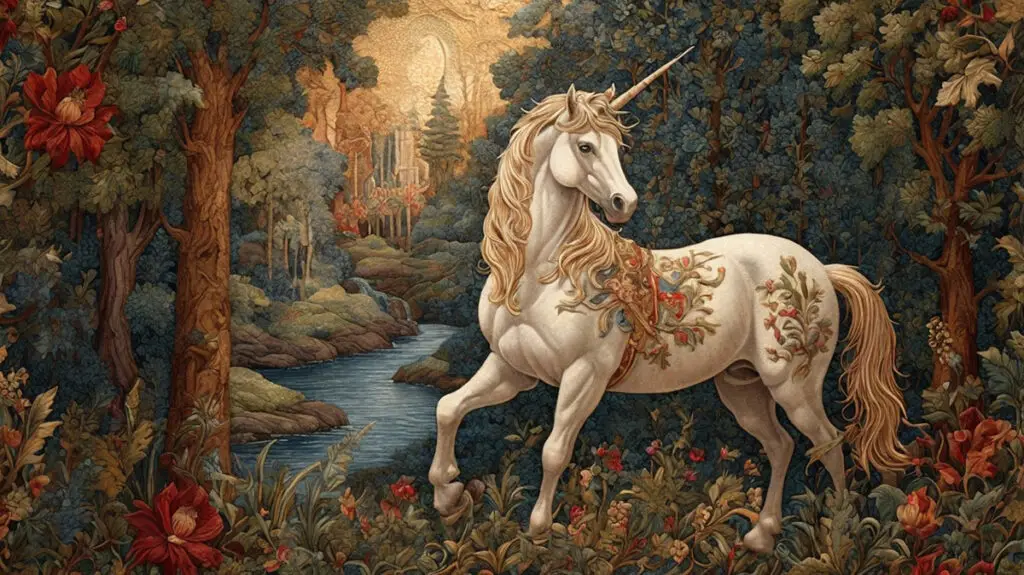
8. The Modern Unicorn: Pop Culture, Identity, and Hope
Today, the unicorn is everywhere: toys, fashion, digital culture, and business (where a “unicorn” is a billion-dollar startup). It’s also embraced as a symbol of LGBTQ+ pride, celebrating uniqueness and the power to exist proudly and authentically. In literature and media, unicorns represent hope, resilience, and the miraculous.
9. Unicorns in the Codex of the Beasts
Explore the Codex of the Beasts on this site to discover how unicorns stand alongside dragons, phoenixes, and other legendary creatures. Each entry reveals their unique DNA—mythically speaking—and how their legends shape our world.
Table: Mythical Creatures Comparison
| Creature | Traits | Symbolism |
|---|---|---|
| Dragon | Winged, fire-breathing, serpentine | Power, chaos, wisdom |
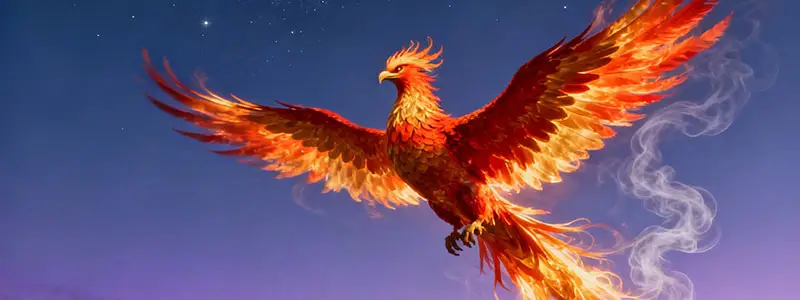
| Phoenix | Reborn from ashes | Immortality, renewal |
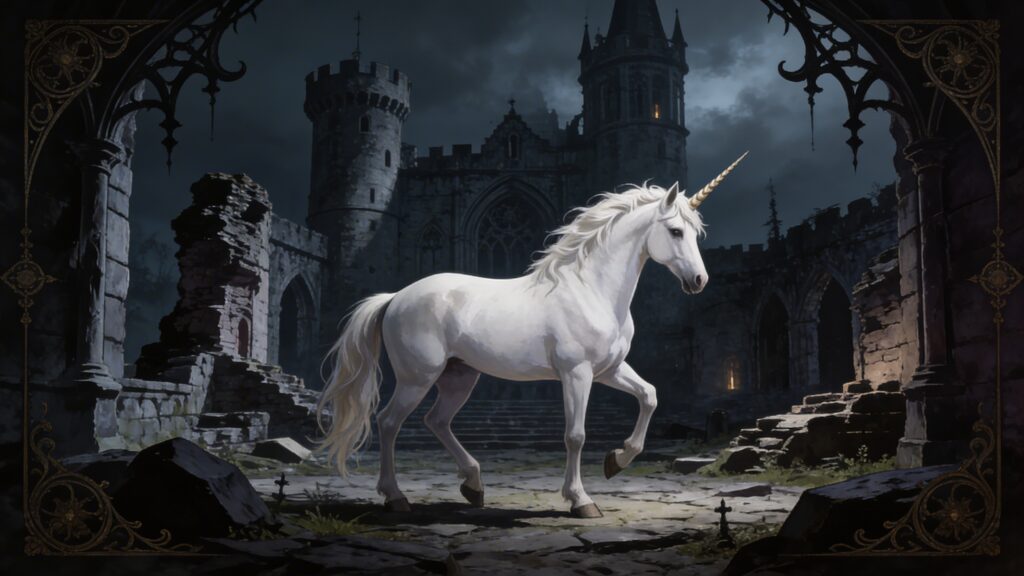
| Unicorn | Horse with single horn | Purity, healing, innocence |
| Griffin | Lion’s body, eagle’s head/wings | Nobility, guardianship |
10. FAQs
Q: Were unicorns ever believed to be real? A: Yes, many throughout history believed in unicorns, and “horns” fetched huge sums. Scholars later revealed these were often narwhal tusks or other animal relics.
Q: Why is the unicorn Scotland’s national animal? A: The unicorn represents purity, strength, and the untamable nature of the Scottish spirit, making it a perfect symbol for a proud nation.
Q: What does the unicorn symbolize today? A: Hope, uniqueness, resilience, LGBTQ+ pride, and the belief in magic and miracles.