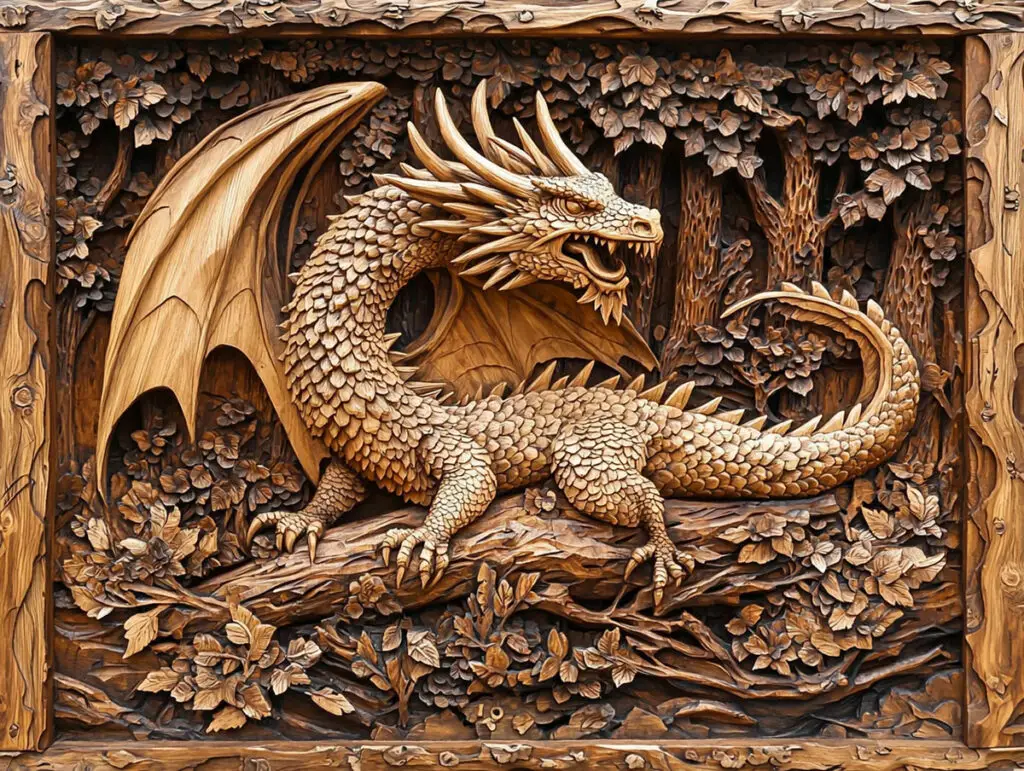
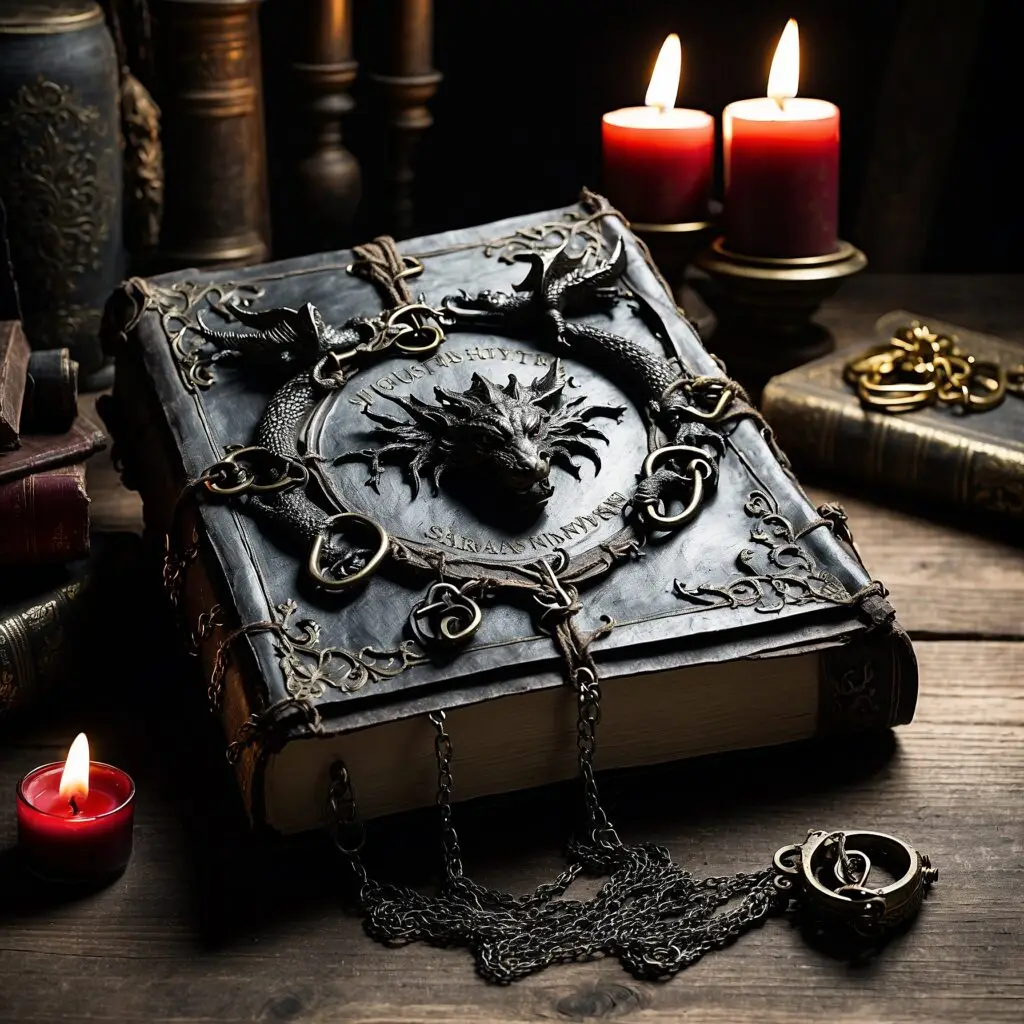
While mythology is full of valiant heroes, it also harbors abominations born from humanity’s deepest fears. Across centuries and continents, cultures have embodied the unknown (death, plague, and chaos) in monstrous forms that warned, punished, or protected. Drawing from the studies of Zayden Stone and ancestral mythic traditions, this exploration unveils five terrifying beings whose legends reveal the shadowy side of collective imagination. Prepare to descend into the underworld of global folklore.
Fenrir: The Wolf of the Apocalypse (Norse Mythology)
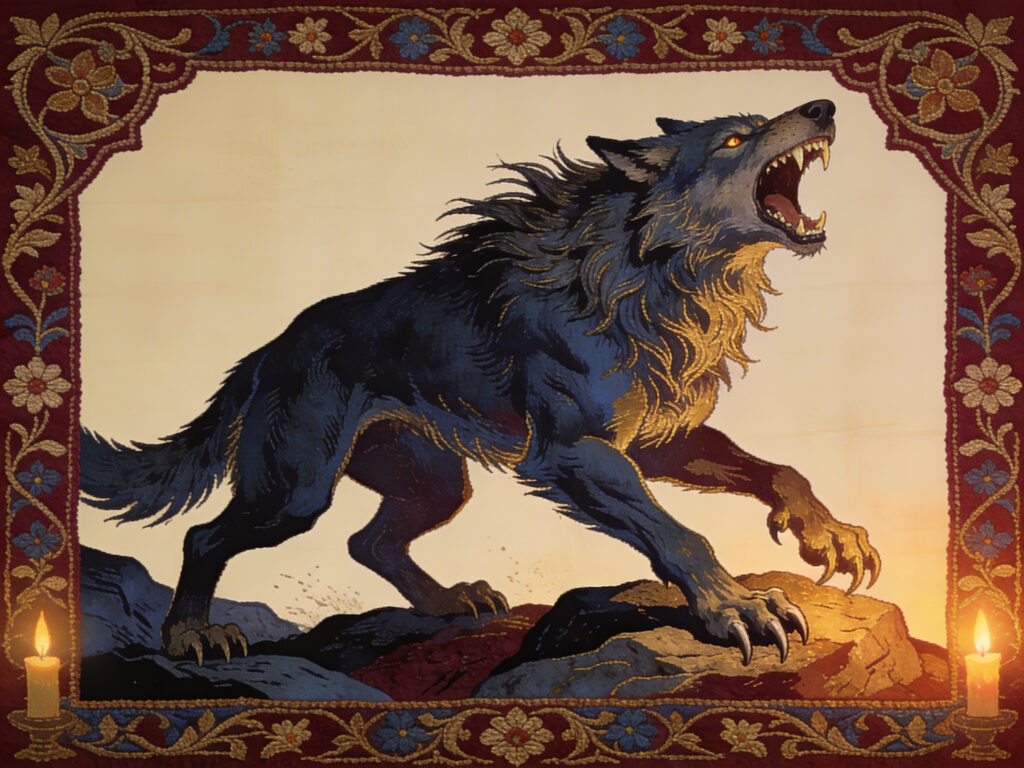
In Norse mythology, few beings evoke as much dread as Fenrir, the monstrous wolf destined to devour the world. The offspring of Loki, the trickster god, and the giantess Angrboða, Fenrir symbolizes uncontrollable chaos and the fall of divine order.
Appearance and Power
Fenrir’s fur is said to be black as pitch, his eyes burning like molten embers. His breath turns the air to frost, and his roar shakes mountains. The sagas tell of the gods’ fear as he grew at an unnatural pace, surpassing any earthly beast.
Binding of the Wolf
To contain him, the gods tricked Fenrir into wearing a magical chain, Gleipnir, forged by dwarves from impossible materials: the sound of a cat’s footsteps, the beard of a woman, the roots of a mountain, and other paradoxes. Only the god Týr dared feed him, sacrificing his right hand as pledge of good faith when the deception was revealed.
Prophecy of Doom
At Ragnarök, the twilight of the gods, Fenrir will burst free, spreading terror across Midgard. He will hunt down Odin and devour him whole before being slain by Odin’s son, Víðarr. Fenrir thus embodies the inevitability of death and renewal: even gods cannot escape destiny.
Jorōgumo: The Spider Bride (Japanese Folklore)
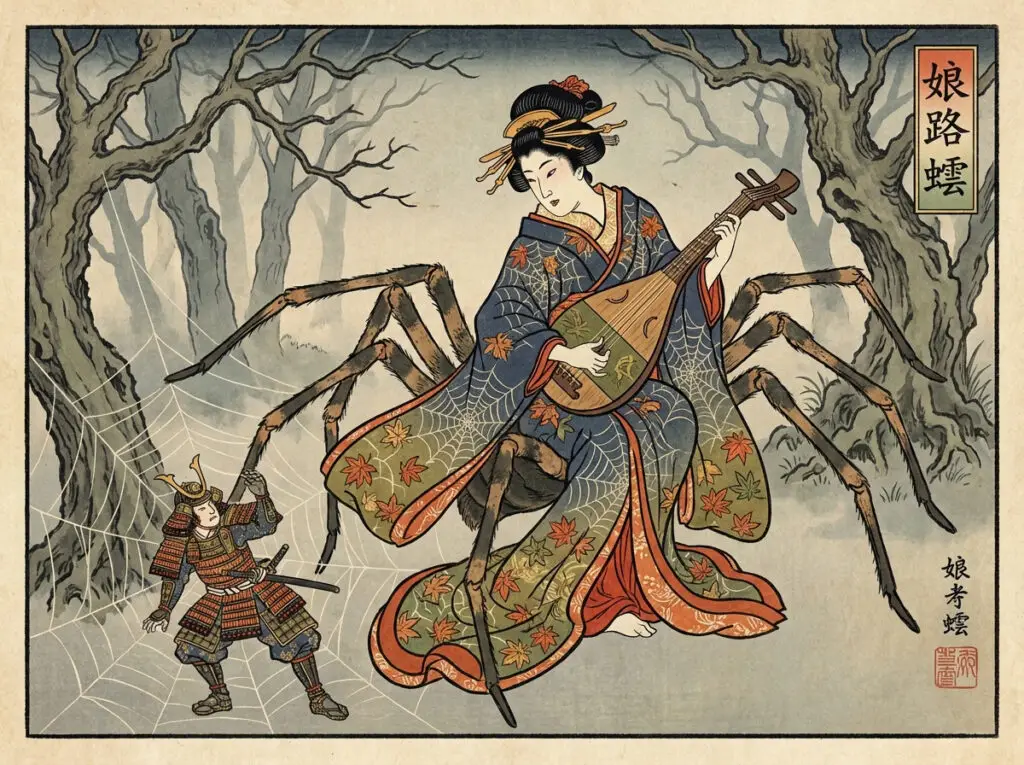
In Japan’s Edo-period storytelling, the Jorōgumo weaves her legend from seduction and death. Her name, which can mean both “binding bride” and “entangling woman,” merges sensuality with horror.
Origins and Transformation
It is said that a spider that survives for four centuries gains the ability to take human form. In this guise, the Jorōgumo appears as a breathtakingly beautiful woman draped in fine silks, often living near streams or waterfalls, a symbol of deceptive purity.
Modus Operandi
She lures weary travelers or lovesick men to her lair, where she enraptures them through music from her biwa (lute). Once hypnotized, her victims are ensnared in unseen silk threads before being drained of life. In some stories, she keeps the bones of those she has devoured in a hidden chamber, humming to herself as she spins more webs.
Cultural Echoes
Her legend may have arisen from real-life golden orb-weaver spiders (Trichonephila clavata), known for their vivid colors and powerful silk. The Jorōgumo serves as a cautionary figure about lust, vanity, and the danger of beauty that conceals deadly traps.
Itsumade: The Monster of Plagues (Japanese Folklore)
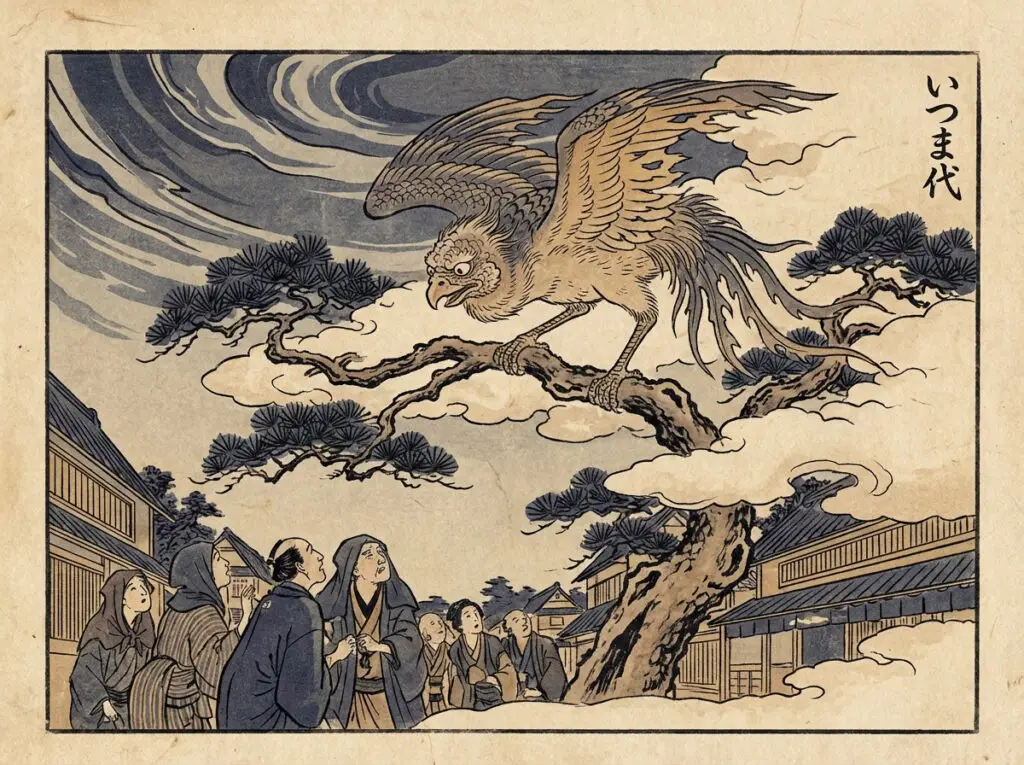
Born of famine and despair, the Itsumade reflects humanity’s collective guilt and fear during times of death and decay. This grotesque hybrid of bird, serpent, and human first appeared in Japanese chronicles from the 14th century, a period ravaged by civil wars and plague.
Appearance and Behavior
Described as having a serpent’s body, clawed wings, and the face of a human twisted by hunger, the Itsumade circles over battlefields and disease-ridden villages. Its enormous wingspan stirs the stench of death into the wind.
The Cry of Mourning
Its earsplitting wail, crying “Itsumade? Itsumade?” or “Until when?”, accuses the living of neglecting the innocent dead. It feeds on unburied corpses and the moral decay that allowed them to fester. In some tales, monks who performed proper burial rites could banish the creature, restoring peace to the land.
Symbolism
The Itsumade serves as both warning and conscience: neglect the duties of compassion, and grief itself will take shape to haunt you.
The Strix: The Vampire Owl (Greek Mythology)
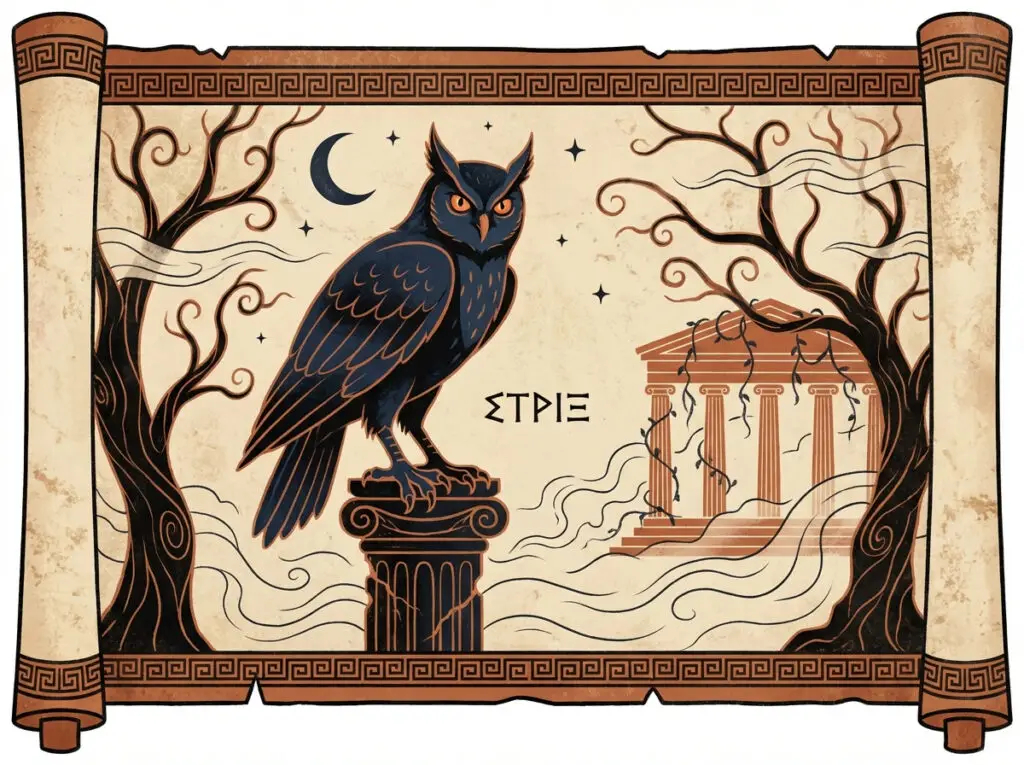
Long before Slavic vampires or Gothic tales, the ancient Greeks whispered of the Strix, a demon-bird that hunted by night.
Origins of the Curse
According to Ovid, the Strix began as a woman named Polyphonte who defied Aphrodite and was cursed by the gods. Her transformation was punishment: wings of a barn owl, talons for hands, and a thirst for human blood, particularly that of infants.
Habits and Personality
Unlike the predatory beasts of myths, the Strix is cunning. She silently circles homes by moonlight, searching for signs of new life. Upon finding a cradle, she descends to feast on a child’s flesh, drinking its blood to sustain her immortality. The Greeks feared her screech as a herald of death or political turmoil.
Enduring Legacy
Roman writers adopted the Strix into their folklore, and her image evolved into the “strega” (witch) of Italian myth and the Romanian “strigoi.” In this way, the Strix stands as a mother figure to all vampiric legends that followed.
The Impundulu: The Lightning Bird (African Folklore)
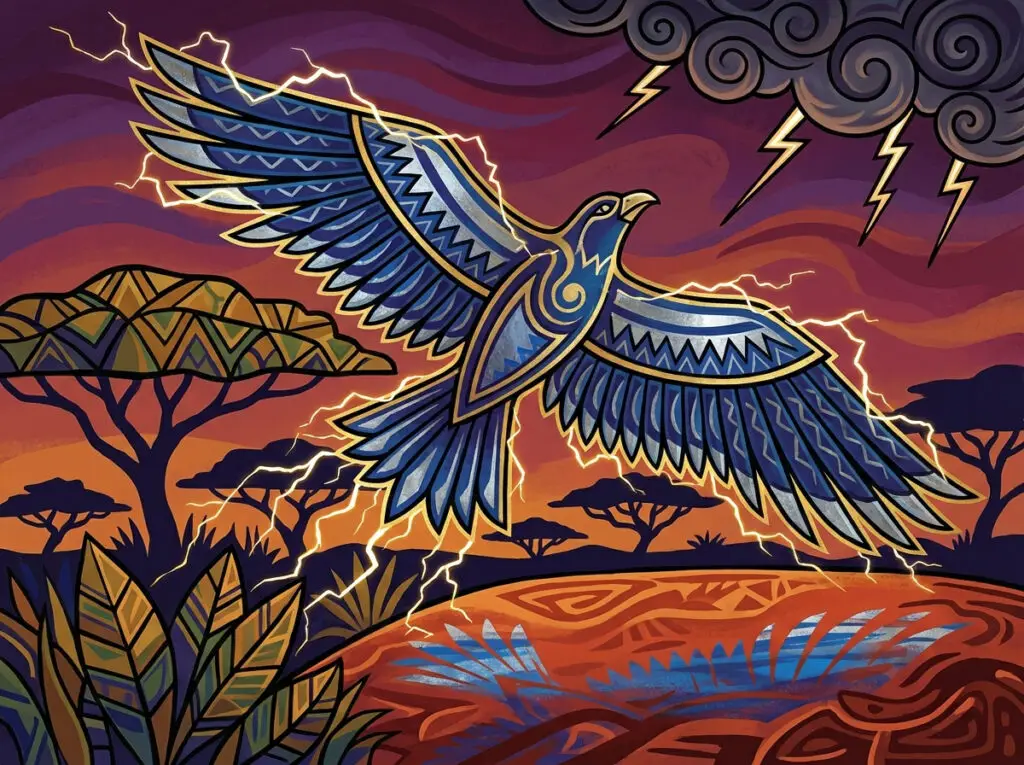
Among the Zulu, Xhosa, and Pedi peoples of southern Africa, the Impundulu (“the one who strikes with lightning”) is both a spirit of the storm and a harbinger of death.
Divine Power
This great bird, sometimes as large as a man, carries lightning in its claws. When thunder shakes the sky, people once said it was the Impundulu taking flight, its wings sparking storms as it hunted.
Servant and Seducer
The Impundulu often belongs to a witch, acting as her familiar and lover. In human guise, he is a strikingly handsome man dressed in grey, but his charm hides vampiric hunger. He feeds on human blood and can even father half-spirit offspring with mortal women, continuing his line of power.
Dual Nature
Despite its fearsome reputation, the Impundulu is not purely malevolent. In some traditions, honoring or appeasing the bird brings rain and fertility. It represents the raw, ambivalent power of nature: destructive when provoked, nourishing when respected.
Conclusion
From the frozen plains of Scandinavia to the humid forests of Africa, these creatures reflect the primal anxieties of their cultures. Each legend gives voice to the same question: how does humanity make sense of what it cannot control? Whether through divine monsters or spectral birds, the storytellers of old transformed chaos into narrative, terror into meaning. And in remembering them, we glimpse both the darkness they embodied and the light of imagination that brought them to life.