The Werewolves
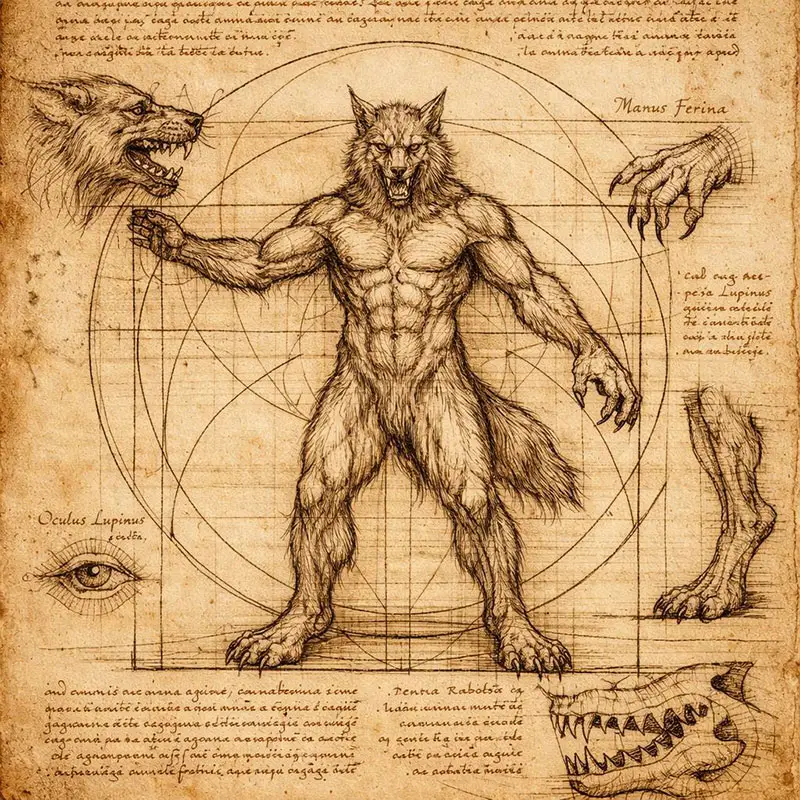
Werewolves: Myth, Meaning, and Modern Legacy
Few mythological creatures embody humanity’s deepest fears and fascinations as powerfully as the werewolf. Part human, part beast, the werewolf stands at the threshold between civilization and wilderness, reason and instinct. Found in legends across continents and centuries, werewolf myths, collectively known as lycanthropy, reflect enduring questions about identity, violence, and the animal nature within humankind.
The origin of the werewolf is not found in a single myth, but in the convergence of ancient Greek tragedy and the wild fringes of early civilization. The term “lycanthropy” itself derives from the Greek lykos (wolf) and anthropos (man), but the most definitive genesis story comes from Lycaon, the mythical King of Arcadia.
Characteristics of Werewolves
Shapeshifting
The werewolf is defined by its ability to transform between human and wolf. This transformation is often involuntary and cyclical, marking the loss of control over one’s own body and identity.
Dual Nature
Werewolves embody the conflict between rational humanity and primal animal instinct. In human form, they may be moral, social beings; in wolf form, they surrender to hunger, rage, and violence.
Beast Power
In wolf form, werewolves possess immense physical advantages: strength, speed, endurance, and heightened senses. They become apex predators, feared not just for savagery, but for efficiency.
The Curse
Werewolves are rarely evil by choice. Their condition is typically a curse, inherited, inflicted, or punished by divine or supernatural forces.
The Genesis: Origins of Werewolf Beliefs
The concept of humans transforming into wolves is ancient and predates written history. Early hunter-gatherer societies, deeply attuned to the natural world, often revered or feared powerful predators. Wolves, intelligent, social, and deadly, were natural candidates for mythic transformation.
One of the earliest recorded werewolf myths appears in Ancient Greece. The story of Lycaon, a king who offended Zeus and was transformed into a wolf as punishment, established a moral framework: lycanthropy as divine retribution for savagery and impiety. Greek writers such as Herodotus also reported tribes in Eastern Europe who allegedly transformed into wolves seasonally—accounts likely blending rumor, ritual, and misunderstanding.
In Roman times, the idea persisted, reinforced by associations between wolves, Mars (god of war), and uncontrolled violence. Across Europe, wolf symbolism grew increasingly dark as wolves became perceived as threats to agrarian society, laying fertile ground for later medieval interpretations.
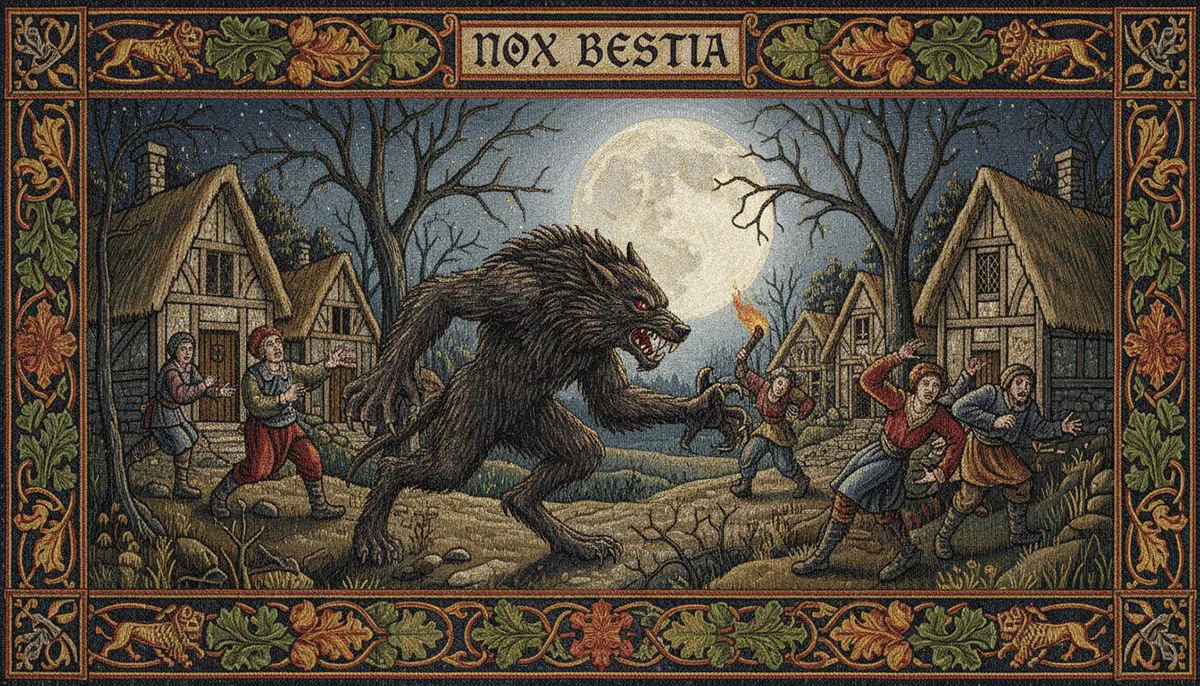
Werewolves Around the World
Werewolf legends vary widely across cultures, though the core concept, human transformation into a predatory beast, remains consistent.
Europe
Medieval Europe produced the most enduring werewolf traditions. In France and Germany, tales of the loup-garou and Werwolf described cursed individuals who transformed under a full moon. Some stories portrayed werewolves as tragic victims, others as willing servants of dark forces. A notable medieval literary example is Bisclavret, a 12th-century tale depicting a noble werewolf betrayed by his wife, emphasizing humanity beneath the beast.
Slavic and Balkan Regions
Eastern European folklore often blended werewolves with vampire mythology. Transformation was sometimes linked to sorcery, improper burial, or being born under an ill omen. In these regions, the werewolf was not merely a monster but a supernatural anomaly tied to death and unrest.
Scandinavia
Norse traditions featured warriors known as ulfhednar, who wore wolf skins and entered battle in a berserk state. Though not literal shapeshifters, they embodied wolf-like ferocity, blurring the line between ritual transformation and myth.
Non-European Parallels
While wolves are specific to Eurasia, similar myths appear elsewhere. In parts of Africa and Asia, legends describe humans transforming into leopards, hyenas, or tigers. These stories serve the same narrative function: exploring humanity’s relationship with predation, power, and taboo behavior.
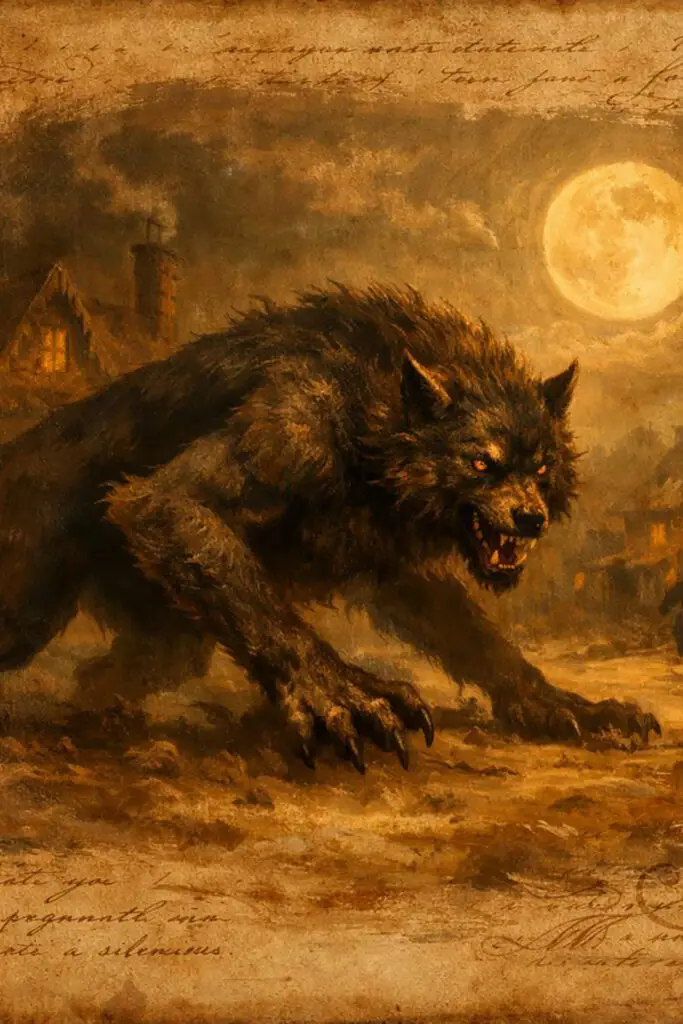
Modern Presence and Geek Culture
The werewolf of the 20th and 21st centuries is almost entirely a product of cinema, which overwrote centuries of folklore with new “rules.”
The Cinematic Rulebook
The 1941 film The Wolf Man (written by Curt Siodmak) invented the mythology we now accept as fact. Siodmak created the rhyme “Even a man who is pure in heart…” and introduced the idea that silver is the only way to kill a werewolf. He also popularized the tragic nature of the condition.
Literature and Pop Culture
Harry Potter: J.K. Rowling used Remus Lupin’s lycanthropy as a poignant metaphor for chronic illness reinforcing the “werewolf as victim” trope.
Twilight & Underworld: These franchises reimagined werewolves as tribal guardians and sworn enemies of vampires, shifting the narrative from “horror” to “fantasy action.”
Gaming: In The Elder Scrolls V: Skyrim, the Companions guild frames lycanthropy as a “blessing” of Hircine, allowing players to choose control over the beast.
Inquiries
Delve into the mysteries of werewolves.
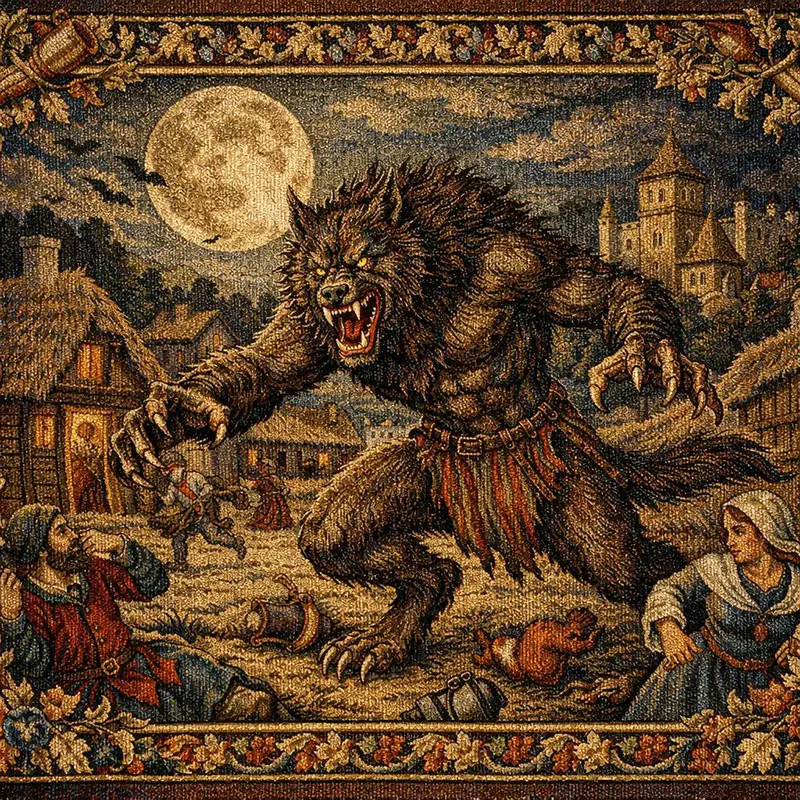
A werewolf is a human who can transform into a wolf or wolf-like creature through a curse, inheritance, or supernatural influence. In folklore, this transformation often represents the loss of control over one’s primal instincts.
Werewolves possess enhanced strength, speed, endurance, and heightened senses in their transformed state. Many legends also grant them rapid healing, making them difficult to kill with ordinary weapons.
The full moon symbolizes cyclical madness, emotional instability, and cosmic influence in folklore. While not present in all early myths, lunar transformation became a defining trait in medieval and modern werewolf legends.
In most modern traditions, werewolves are vulnerable to silver, which can wound or kill them. Silver symbolizes purity or divine judgment overcoming corruption and the unnatural curse of lycanthropy.