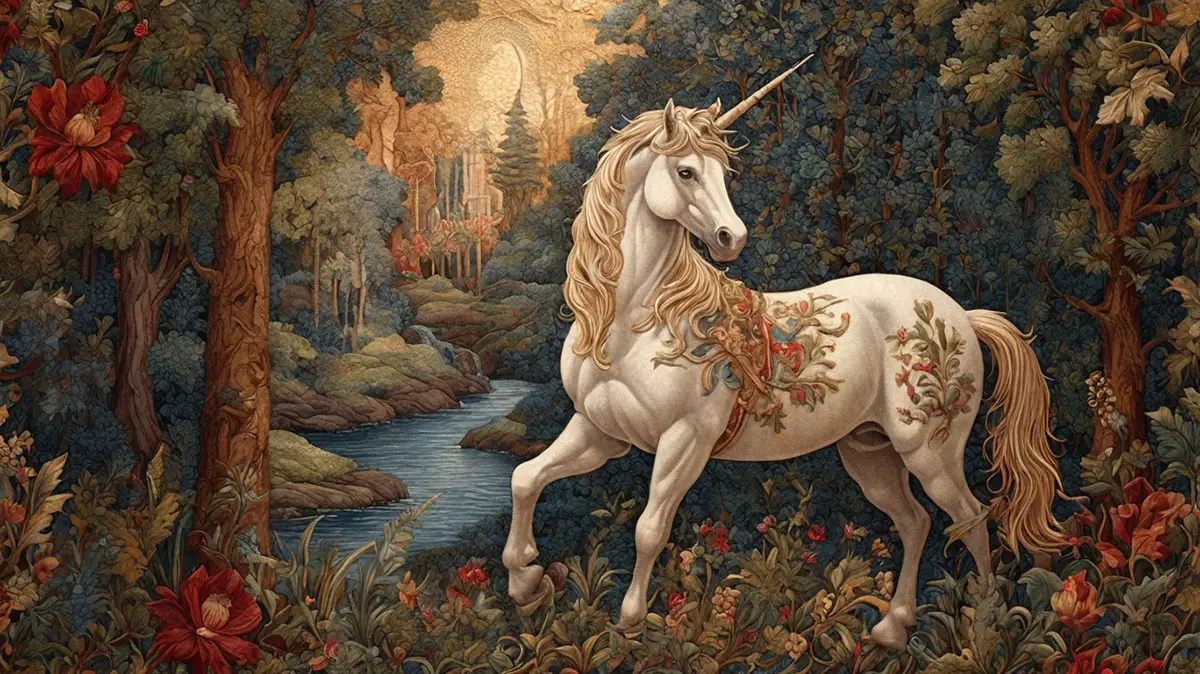
The Unicorn
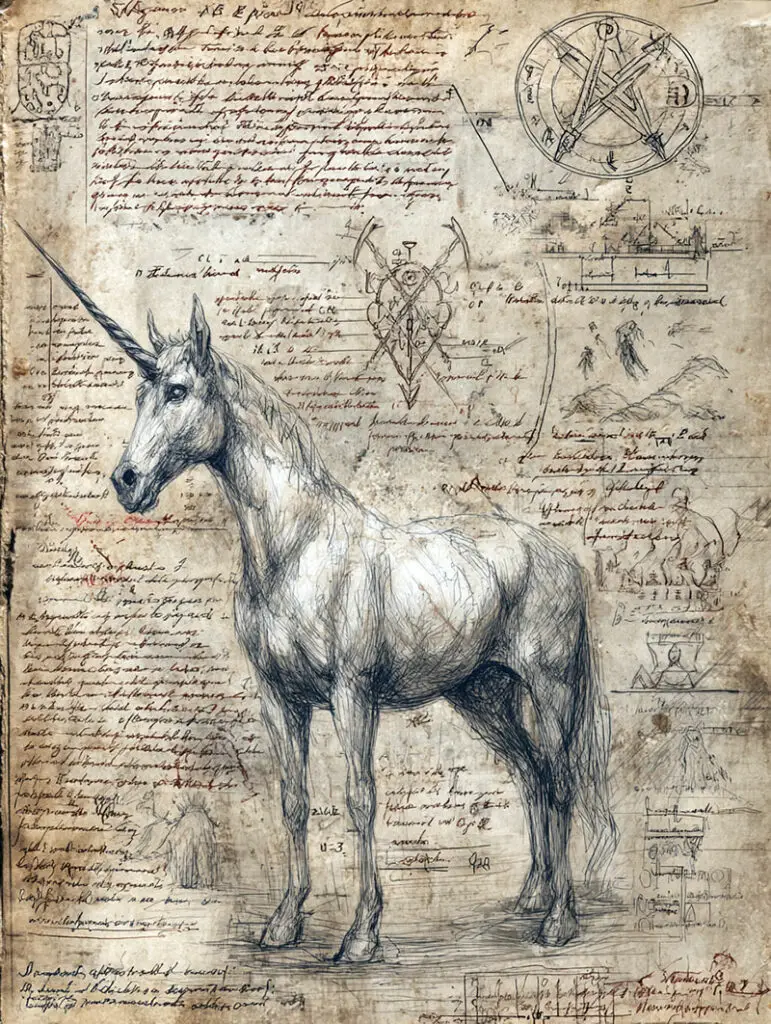
Myth, Symbolism, and Modern Resonance
The unicorn is a legendary creature described since antiquity as a horse- or goat-like animal with a single spiraling horn projecting from its forehead.
For the last thousand years in European lore it has been depicted as an elusive, pure white beast – a symbol of purity and grace that could only be tamed by a virgin. Myths of one-horned creatures appear in the earliest tales of India and Persia and were recorded by ancient Greek historians and even in translations of the Bible.
Across cultures the unicorn came to embody spiritual virtue, healing power, and even royal authority. In the Middle Ages it was revered as a magical beast whose horn could purify poisoned water and cure sickness. Today, the unicorn endures as a potent icon in fantasy literature and popular culture, continuously reinterpreted by each generation.
Whispers of the Past
The Unicorn in Modern Times
Today, the unicorn’s image bridges myth and pop culture, business, and personal branding. Once the emblem of purity and unattainability, the unicorn is now also a signifier of uniqueness, aspiration, and even consumer longing for authenticity amid mass marketing. In business, a “unicorn” refers to a startup valued at over a billion dollars, reflecting rarity and immense potential. Unicorn motifs are found in fashion, toy aisles, rainbow-themed branding, and LGBTQ+ symbolism, often expressing individuality and joy.
Literature and media continue to reimagine unicorns—most famously in Peter S. Beagle’s ‘The Last Unicorn’, modern fantasy novels, and films like ‘Death of a Unicorn’ or TV shows that reclaim the unicorn as both a magical creature and a symbol of transformative power. The unicorn has become a fixture in girlhood culture and is increasingly reclaimed by people of all ages as a symbol of hope, healing, and the possibility of miraculous change.
The unicorn endures as a touchstone for hope, purity, resilience, and renewal, appearing wherever stories are told and dreams refuse to die. Its single horn, gleaming with spiritual promise, invites seekers in every era to believe that something rare, healing, and utterly magical is always possible—even in the modern world.
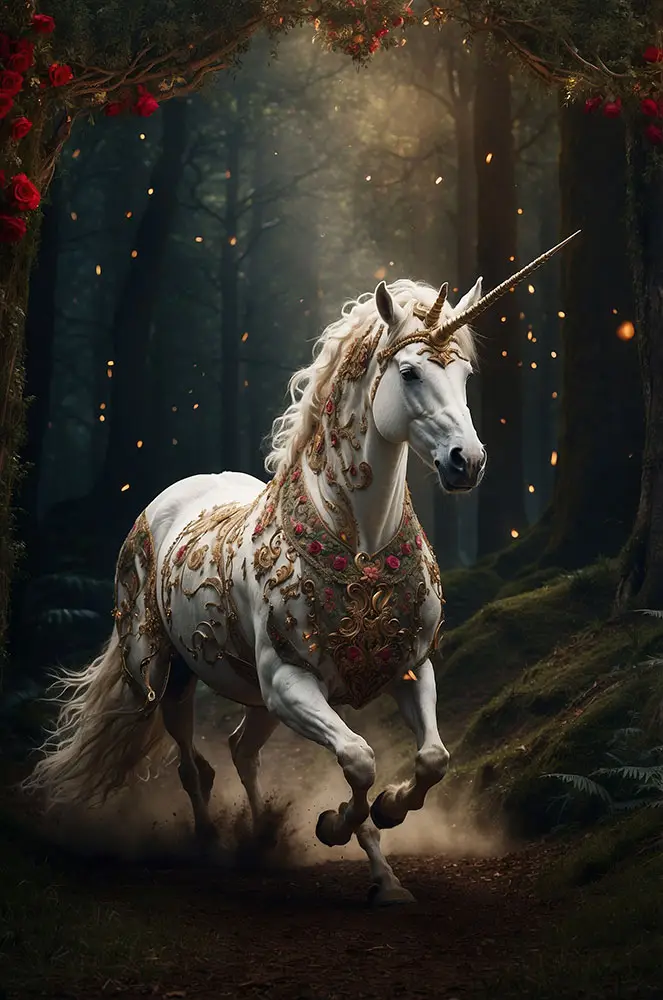
Legends Across Cultures
Legends of unicorns appear from India and Persia to China, Greece, Europe, and the Middle East, each adapting its meaning to fit local beliefs. Indian myths champion the unicorn as a healer and spiritual guide, while Persian stories emphasize its protective, purifying powers. The qilin of China and kirin of Japan are seen as omens of prosperity and harmony.
In medieval Europe, the unicorn was depicted as a fierce, untamable beast tamed only by a pure-hearted virgin. This narrative aligned the unicorn with Christian iconography, especially as a symbol for Christ and a metaphor for purity, innocence, and divine incarnation.
The unicorn’s magical horn, known as the alicorn, became legendary for its supposed ability to purify water, heal diseases, and neutralize poisons.
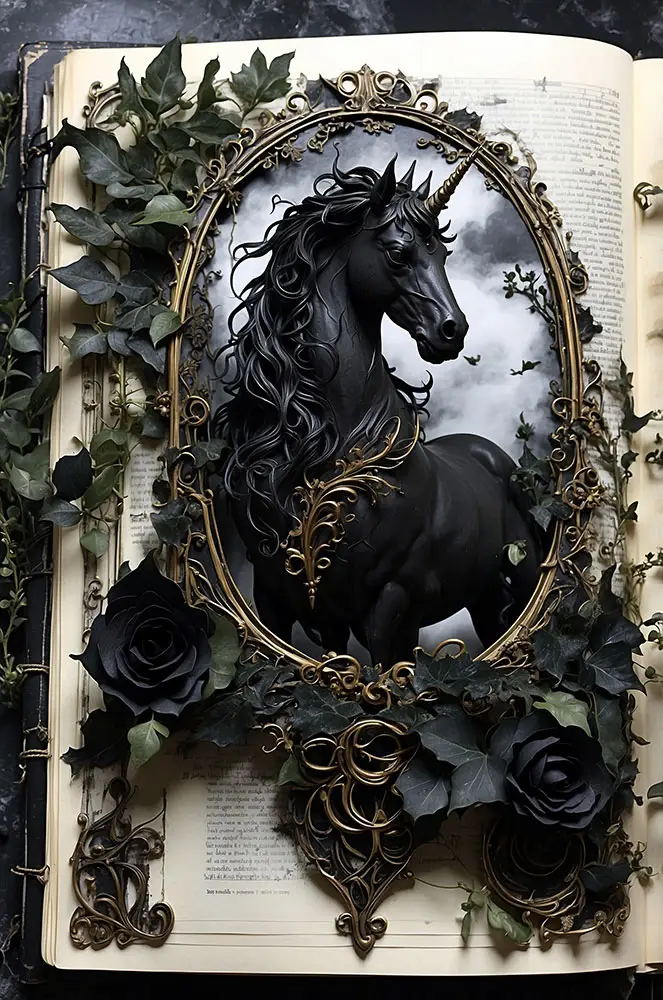
Symbolism and Deeper Meanings
The unicorn stands as a paradoxical symbol: embodying both innocence and immense, reserved power. The single spiraling horn is not simply a physical trait but a channel for energy, healing, and spiritual renewal. Folklore ascribes to it the power to cleanse, restore, and offer a fresh start, visually echoing cycles of life, death, and rebirth.
In spiritual and psychological traditions, encountering a unicorn tests one’s inner purity and intentions. The unicorn demands alignment with truth, compassion, and higher purpose, making it not only a magical creature but also a mirror for ethical introspection. The creature’s constant association with water, healing, and cleansing underlines its role as a force for emotional clarity and transformation