The Wolves
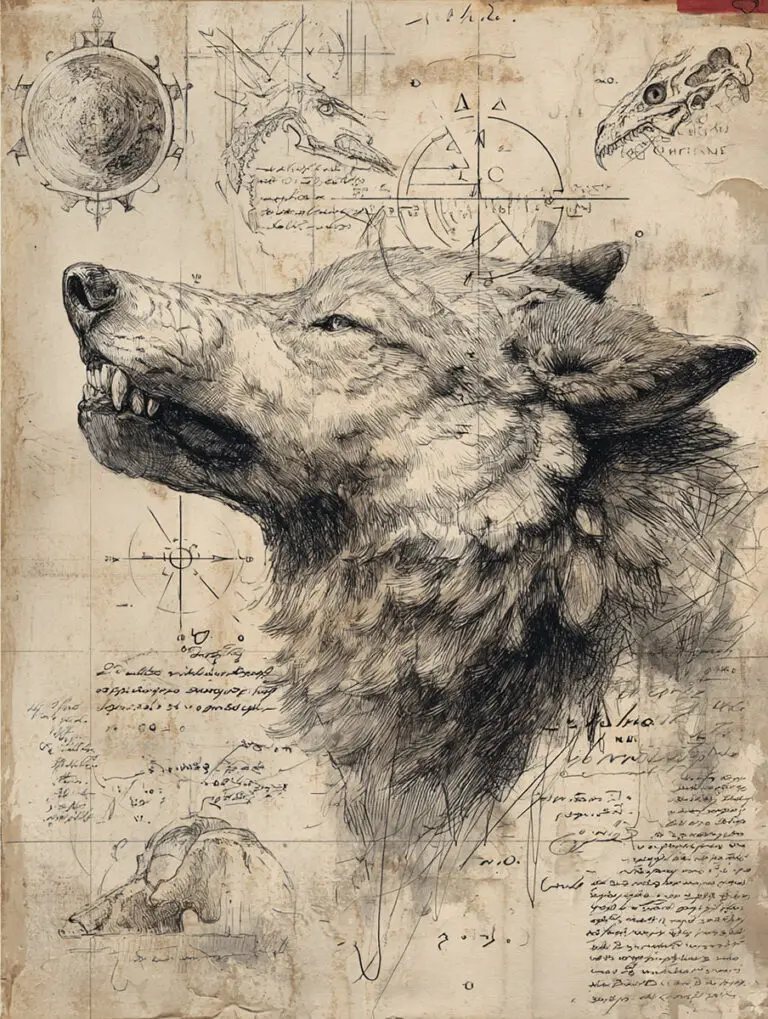
Wolves: Guardians of Ancient Legends
The wolf emerged in human mythology as one of the most complex and paradoxical creatures, embodying both creation and destruction, nurturing and ferocity. Unlike the purely symbolic unicorn or the celestial phoenix, wolves held a unique position in human consciousness because they shared our world as real, powerful predators who challenged our dominance while occasionally showing unexpected behaviors that sparked mythological interpretations.
The Wolf as a Bridge Between Nature and Humanity
In the primordial forests of human imagination, wolves became the bridge between the wild and civilized worlds. Ancient peoples recognized in wolves a mirror of their own social structures, the pack dynamics, territorial behaviors, and protective instincts that resonated deeply with human tribal organization. This recognition transformed wolves from mere animals into spiritual entities capable of teaching profound lessons about survival, loyalty, and the balance between individual power and collective strength.
The earliest wolf mythologies emerged from practical encounters with these apex predators. Unlike the distant phoenix or elusive unicorn, wolves were present, watching from forest edges, leaving tracks in snow, howling across valleys. Their real presence gave their mythological counterparts an immediacy and authenticity that purely imaginary creatures could never possess, making wolf spirits feel tangible and accessible to those seeking guidance
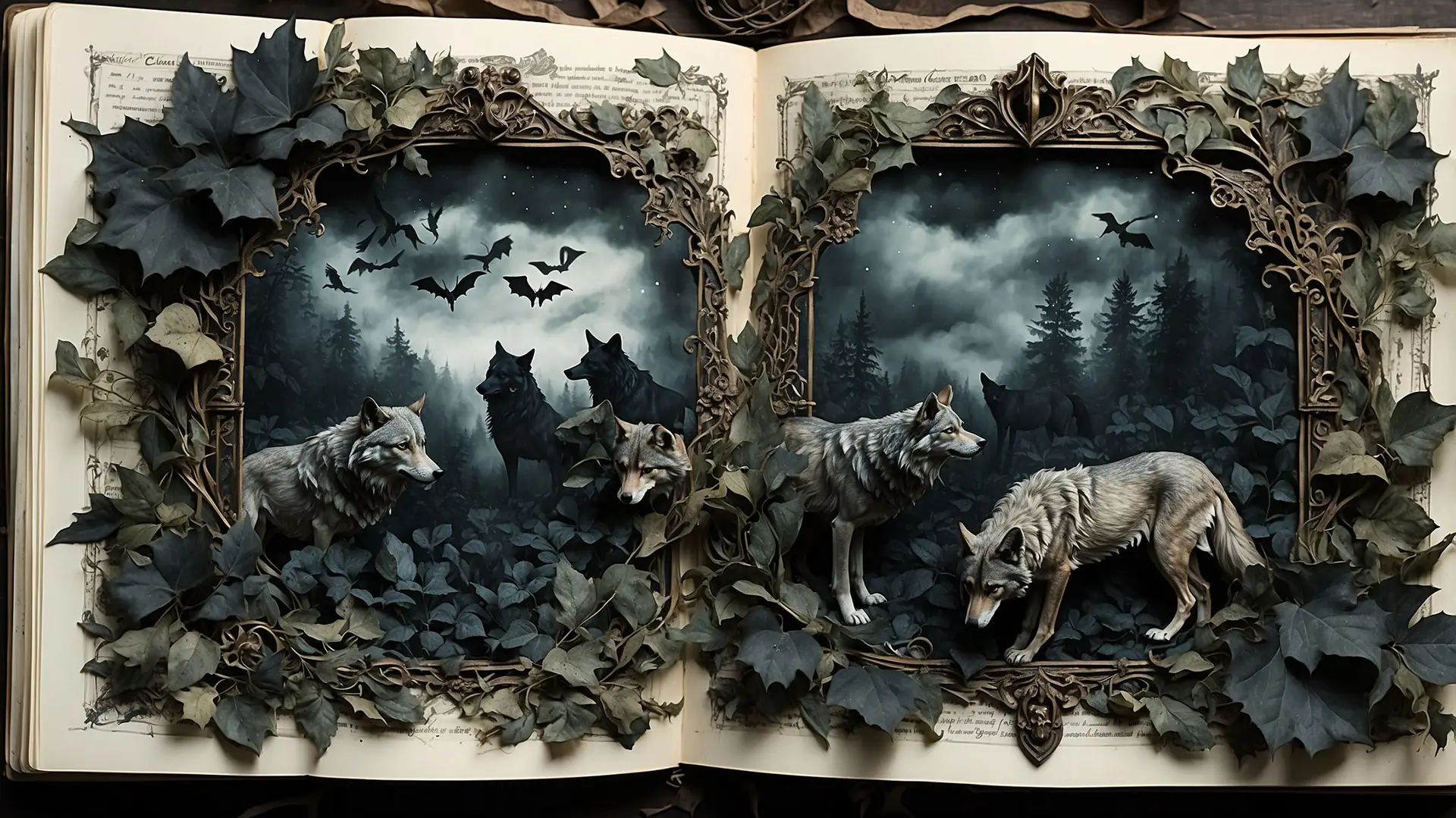
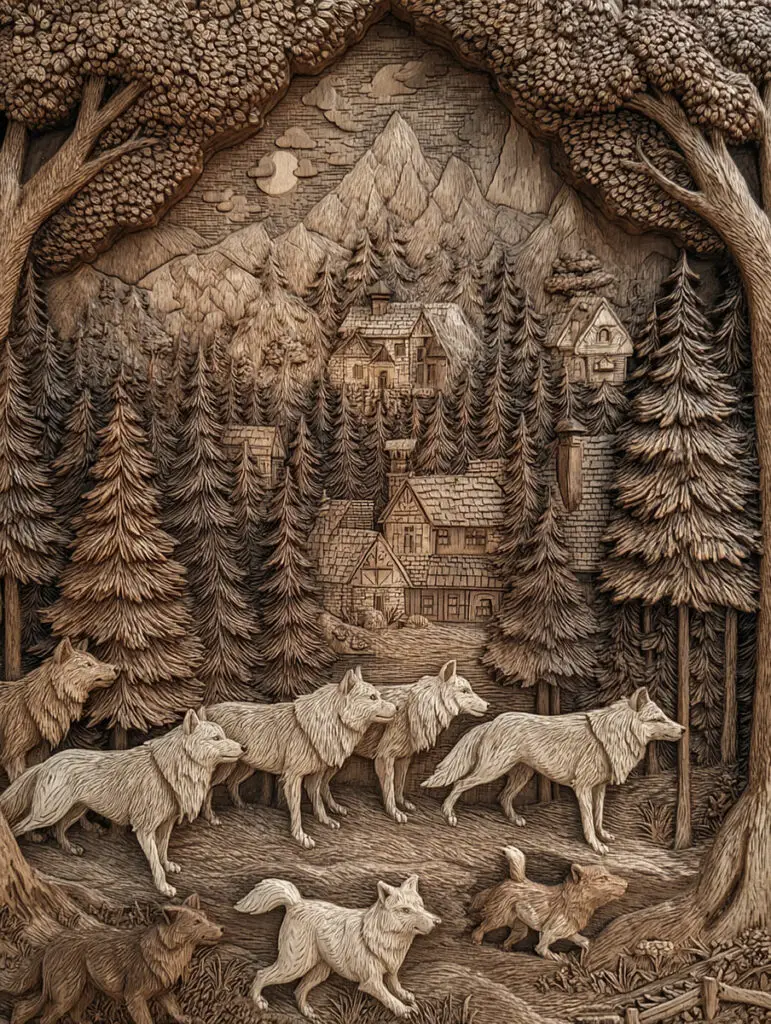
The Role of Wolves in Mythology
Teachers of Discernment and Strategy
Wolves function as teachers of intelligent action and strategic thinking. Their hunting success depends not on brute force but on patience, observation, cooperation, and timing. In spiritual contexts, wolf guides teach when to act, when to wait, when to lead, and when to follow. This practical wisdom distinguishes wolf guidance from more abstract spiritual teachings, offering concrete skills for navigating complex situations.
Guardians of Boundaries and Thresholds
Wolves patrol the boundaries between civilized and wild spaces, serving as guardians of thresholds that must be respected. They teach that some boundaries are necessary for health and safety, while others must be crossed for growth. Wolf spirits help discern which boundaries serve protection and which limit authentic expression.
Agents of Necessary Change
From Fenrir’s role in Ragnarök to the transformative power of wolf medicine in shamanic traditions, wolves represent change that serves evolution even when it appears destructive. They teach that some structures must be dismantled for new growth to occur, and that resistance to necessary change creates greater suffering than acceptance and adaptation.
Legends Across Different Cultures
Norse Mythology: The Wolves of Destiny
In Norse mythology, wolves represent the ultimate forces of fate and cosmic change.
Roman and Celtic Traditions: The Nurturing Mother Wolf
The Roman foundation myth transforms the wolf from predator to protector.
Native American: The Sacred Teacher
Native American traditions present perhaps the most spiritually complex understanding of wolves.
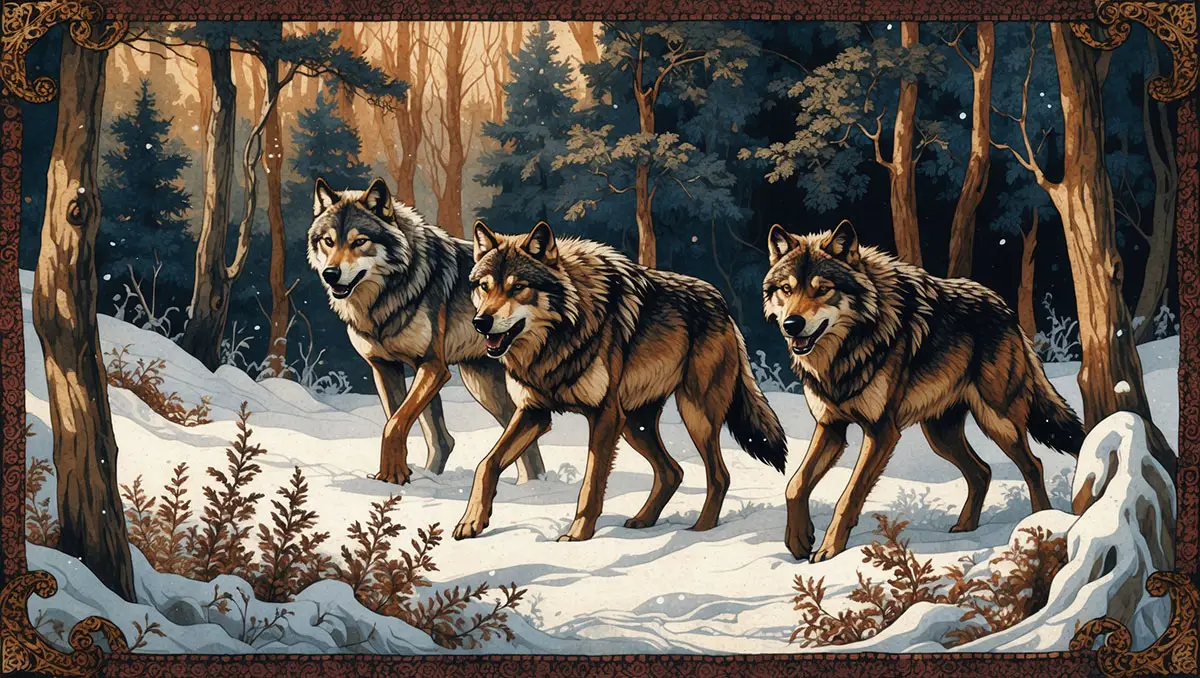
Whispers of the Past
Symbolism and Deeper Meanings
The Paradox of Civilization and Wildness
Wolves embody the tension between civilization’s benefits and wildness’s vitality. They represent the part of ourselves that refuses complete domestication—the instincts, intuitions, and fierce loyalties that civilization tries to tame but that remain essential to our authentic nature. Unlike the unicorn’s pure innocence or the phoenix’s transcendent rebirth, wolves symbolize the integration of shadow and light, the necessity of maintaining wildness within civilization.
The wolf pack structure mirrors human social ideals while maintaining freedom. Wolves demonstrate that hierarchy can exist without domination, that leadership emerges from wisdom rather than force. Modern research reveals that “alpha” wolves are simply breeding parents leading their family unit, not dominators who seized power through violence—a correction that makes wolf symbolism even more relevant to contemporary understanding of healthy leadership.
Spiritual Guardianship and Psychopomp Function
Wolves serve as psychopomps—guides between worlds—in numerous traditions. Their ability to traverse physical and spiritual territories makes them ideal allies for shamanic journeys and spiritual transformation. Unlike the phoenix’s dramatic death-rebirth cycle or the unicorn’s purifying presence, wolves offer steady companionship through difficult transitions, teaching that spiritual growth often requires pack support rather than solitary effort.
The wolf’s howl becomes a bridge between earthly and spiritual realms. This vocalization—simultaneously mournful and triumphant, lonely and connecting—represents humanity’s yearning to communicate across the void, to maintain bonds despite physical separation. In spiritual practices, wolf energy teaches discernment, loyalty, and the wisdom of knowing when to stand alone and when to call upon the pack.
Wolves in Modern Times
Spiritual and New Age Movements
Contemporary shamanism and spiritual movements have embraced wolves as power animals and spirit guides. Wolf energy is invoked for developing leadership skills, trusting intuition, and balancing independence with community connection. Unlike traditional cultures where wolf relationships were earned through specific practices, modern approaches sometimes oversimplify wolf medicine, treating it as easily accessible rather than requiring deep commitment and respect.
Authentic wolf spirituality emphasizes developing real relationship with individual wolf spirits rather than generic “wolf energy”. This requires understanding that wolves, like all power animals, come with both gifts and challenges. Working with wolf spirit means accepting the responsibility to develop discernment, loyalty, and the courage to protect what matters most.
Environmental and Conservation Symbolism
Wolves have become symbols of rewilding and ecological restoration. Their reintroduction to Yellowstone demonstrated their crucial role as keystone species, showing how top predators maintain ecosystem health through complex relationships that extend far beyond simple predation. This ecological understanding reinforces wolf mythology—wolves as beings whose presence creates health and balance throughout their environment.
Modern wolf symbolism includes themes of environmental justice and the rights of wild beings to exist without human interference. Wolves represent the possibility of coexistence between human civilization and wild nature, challenging us to develop wisdom sophisticated enough to honor both human needs and ecological integrity.
Inquiries
Delve into the mysteries of wolves. Learn about their tales and truths.
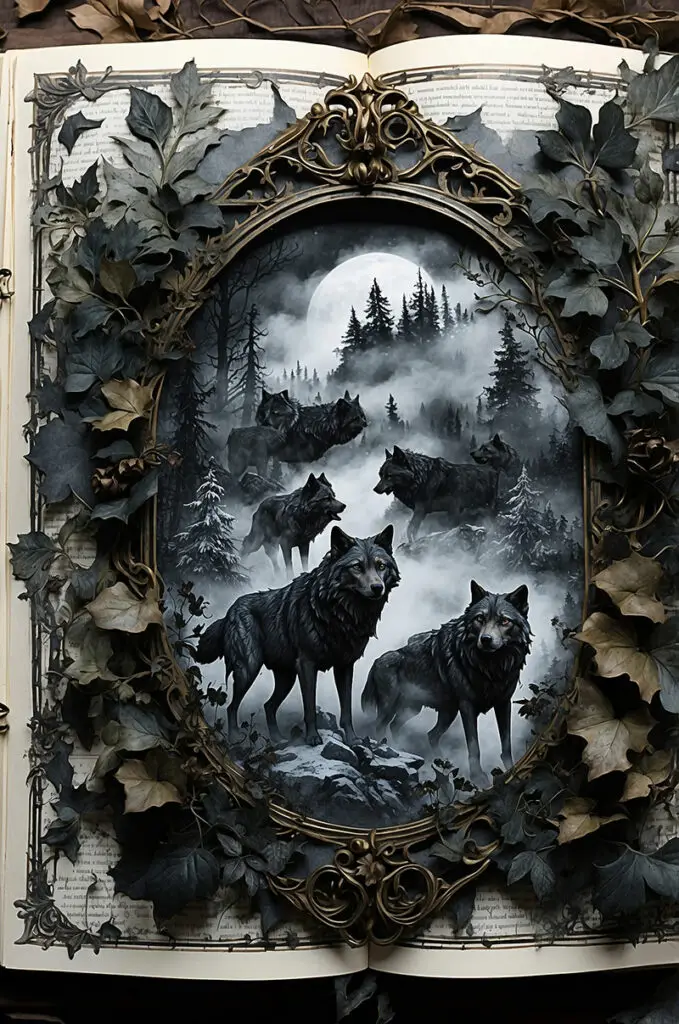
Wolves embody freedom, loyalty, and the essence of the wild. Through folklore, they represent both wisdom and cunning. Misunderstood, they’re often seen as threats, but in many cultures, they are revered as guides and teachers. Discover their roles in stories that span centuries.
Wolves communicate through a symphony of howls, growls, and body language that transcends mere sound. Their vocalizations serve various purposes, from rallying the pack to establishing territory. Each sound carries meaning, revealing their emotions and intentions in a language older than time.
While wolves are often depicted as lone hunters, they thrive in closely-knit packs. These family units work together, symbolizing unity and cooperation. Their social structure showcases deep bonds, with each member playing a vital role in the survival and success of the group.
From tales of werewolves to guardians of the forest, myths and stories surround wolves like shadows. Often portrayed as ferocious, they also symbolize transformation and intuition. Understanding these myths reveals our relationship with fear, strength, and the wonder of the untamed world.
Wolves are neither purely good nor evil in mythological traditions. Some cultures revere them as protectors or ancestors, while others portray them as dangerous or chaotic forces. This duality reflects humanity’s complex relationship with nature and the fear and respect inspired by apex predators.
Prominent wolf myths appear in Norse, Roman, Native American, Turkic, Japanese, and Celtic traditions. Examples include Fenrir in Norse mythology, the she-wolf who raised Romulus and Remus in Roman legend, and spirit wolves that guide or protect tribes in Indigenous American folklore.
Mythical wolves are often spiritual beings, guardians, or symbols of nature, while werewolves represent humans transformed into beasts. Wolves typically embody external natural forces, whereas werewolves symbolize internal conflict and loss of control.
Wolves were real, powerful predators living close to early human communities. Their constant presence, intelligence, and social structure made them ideal figures for myths exploring survival, fear, respect, and the boundary between humanity and nature.