Last updated: July 4, 2026
Dark academia mythology and legendary creatures refers to the study and aesthetic interpretation of mythic beings, classical symbolism, folklore archives, and scholarly atmospheres through the lens of libraries, manuscripts, old colleges, candlelit inquiry, and intellectual mystery. It is not simply a list of monsters with a gothic filter, nor is it identical to horror fiction. Rather, it is a cultural framework in which legendary beings are read as texts: symbols of ambition, mortality, wisdom, secrecy, transformation, and forbidden knowledge.
In practice, this topic sits at the intersection of mythology, folklore studies, literary aesthetics, art history, and symbolic interpretation. A griffin in a dark academia setting is more than a hybrid beast; it may represent guardianship over hidden archives. An owl may function as an emblem of learning, night vision, and the uneasy boundary between reason and omen. A dragon may shift from simple adversary to archival relic, ancestral memory, or metaphor for dangerous knowledge preserved across centuries.
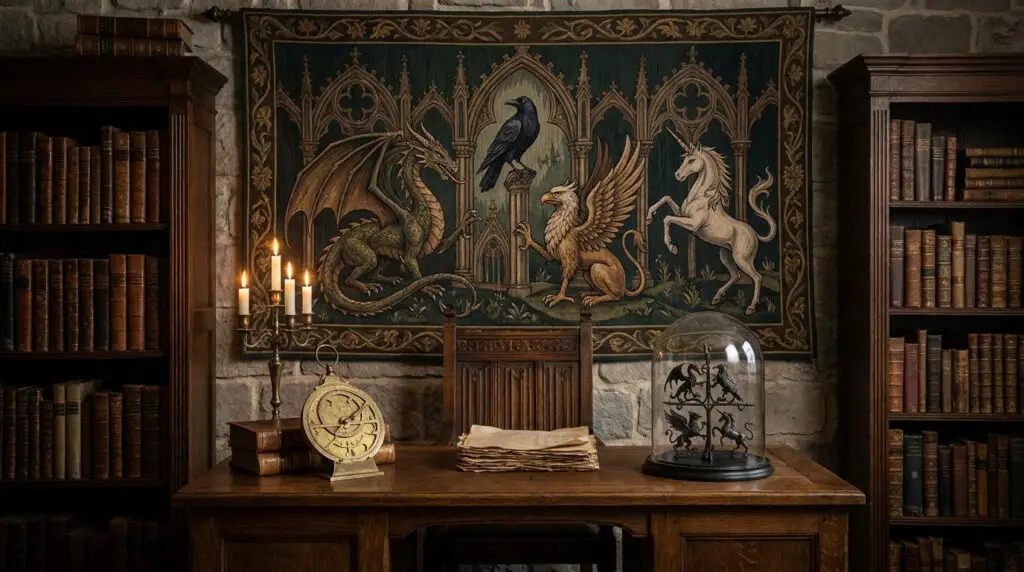
Table of Contents
- Definition and Scope
- Core Concepts
- How Dark Academia Mythology Works
- Types of Legendary Creatures in Dark Academia
- Best Practices for Studying and Using the Theme
- Advanced Strategies and Interpretive Depth
Definition and Scope
Dark academia is best understood as an aesthetic-intellectual mode built around study, archives, classical learning, weathered architecture, ritualized knowledge, and the emotional tension between beauty and obsession. When joined to mythology and legendary creatures, it creates a way of reading beasts not merely as fantasy figures, but as carriers of cultural memory.
This matters because mythical creatures often survive in modern imagination through atmosphere as much as through narrative. The library, the ruined hall, the annotated bestiary, the museum drawer, the forgotten marginal note—these settings change how people perceive creatures. In dark academia, the creature is often encountered through evidence: fragments, field notes, etchings, bones, relics, testimonies, and conflicting translations.
Historically, this interpretive approach draws from older traditions. Medieval bestiaries moralized animals and monsters. Renaissance cabinets of curiosity turned the strange into collectible knowledge. Nineteenth-century philology, antiquarianism, and folklore collection treated myth as recoverable cultural evidence. Contemporary dark academia reassembles these traditions into a mood of scholarship, longing, and danger.
What This Topic Includes
- Mythological creatures with strong symbolic, archival, or scholastic resonance
- Legendary beasts tied to manuscripts, ruins, rituals, or esoteric learning
- Interpretations drawn from classical texts, folklore, medieval imagery, and literary adaptation
- Atmosphere-based reading of creatures in art, storytelling, and cultural commentary
What This Topic Does Not Include
- Every fantasy creature regardless of context
- Pure jump-scare horror without symbolic or literary depth
- Creature lists that ignore historical sources
- Modern monster fandom detached from mythic tradition
Core Concepts
1. The Creature as Symbolic Text
In dark academia, a creature is often treated as a symbolic text rather than a mere character. This means the being can be read for themes such as hubris, grief, eros, transformation, sacred knowledge, exile, guardianship, or decay.
For example, Medusa can be interpreted not only as a monster of petrification, but also as a figure of gaze, punishment, beauty, and power. Phoenix traditions can represent cyclic renewal, textual resurrection, and the survival of ideas through catastrophe. The same creature may carry different meanings depending on whether the source is Greek myth, medieval Christian commentary, or modern literary adaptation.
This symbolic approach matters because dark academia depends on layered meaning. The creature must feel recovered from a shelf, a vault, or a translation, something studied, not merely seen.
2. Atmosphere and Setting
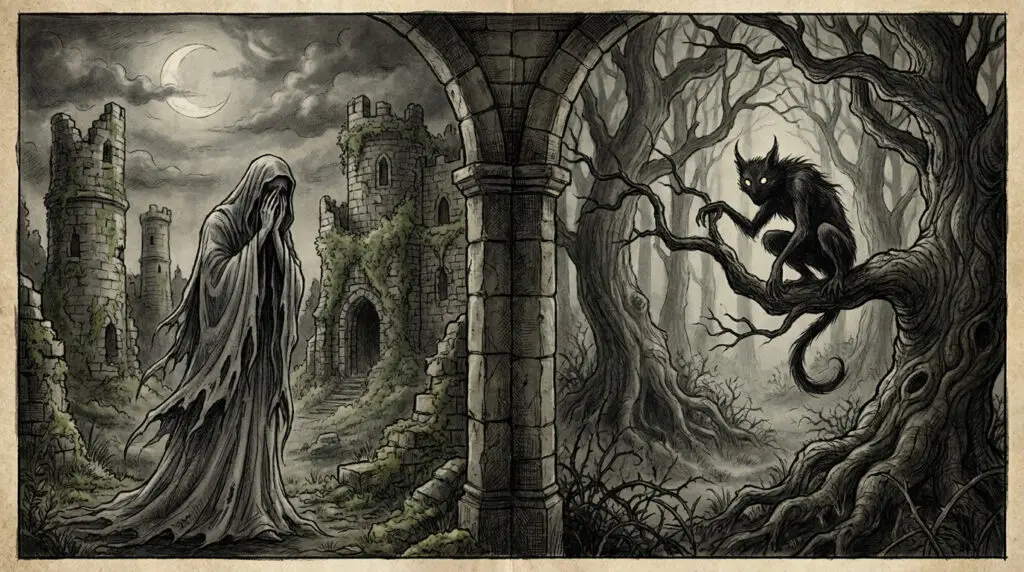
Atmosphere is not decorative; it is interpretive. The same owl described in a daylight nature guide differs from an owl noted in a frost-rimmed observatory logbook beside Latin glosses and funeral bells. Dark academia depends on settings such as libraries, cloisters, ancient lecture halls, ruined estates, museums, catacombs, and forests bordering old schools.
These settings shape meaning. A griffin on a campus gate suggests guarded knowledge. A raven in a manuscript room suggests memory and omen. A wolf crossing a snowy quadrangle may imply the return of the instinctive within a rational institution.
3. Intertextuality and Source Memory
Intertextuality refers to the way one text echoes, revises, or responds to another. Dark academia mythology thrives on intertextuality because it often draws together classical myth, medieval bestiaries, Gothic fiction, folklore anthologies, and modern visual culture.
A harpy, for instance, may arrive from Greek epic, pass through medieval moralization, and reappear in contemporary art as a symbol of accusation or scholarly unrest. A dragon may carry traces of apocalyptic scripture, heroic saga, antiquarian illustration, and museum reconstruction all at once.
This layered source memory gives the style intellectual weight. Readers sense that the creature belongs to a long chain of interpretation.
4. The Archive as Narrative Device
The archive is central to dark academia. Archives include manuscripts, specimen drawers, maps, relics, family journals, correspondence, lecture notes, and unofficial marginalia. Legendary creatures in this framework are often encountered indirectly through documentation.
This creates a powerful effect. Instead of stating “the beast exists,” the narrative or page presents evidence: a damaged field sketch, contradictory testimonies, bloodless bone fragments, or a translated hymn. Uncertainty becomes part of the fascination.
For a myth-centered site, this method is especially useful because it mirrors how traditions actually survive: in fragments, retellings, and interpretive disputes.
5. Beauty and Dread
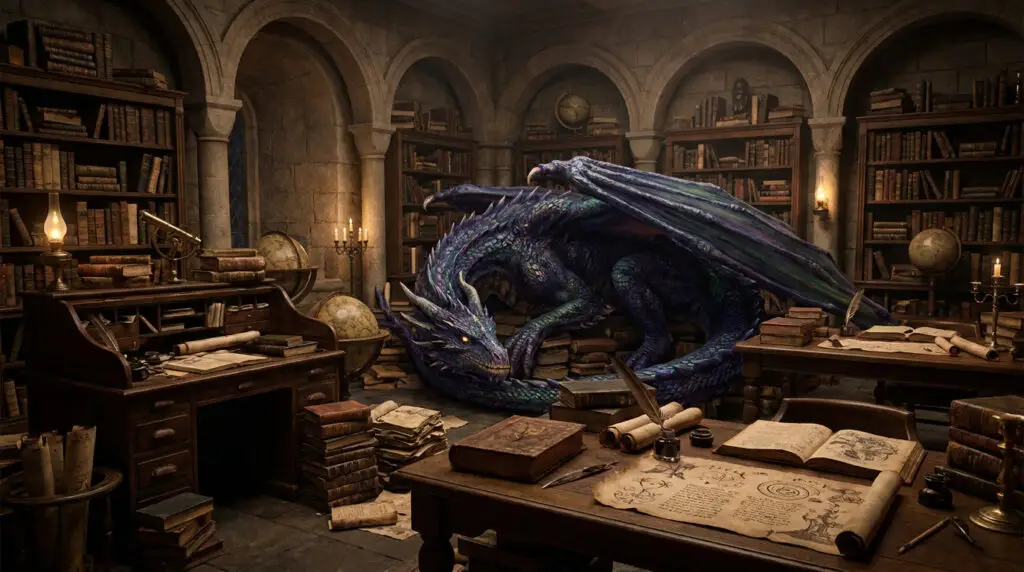
Dark academia balances intellectual beauty with ethical unease. Many creatures fit the mode because they are both alluring and dangerous. The siren sings beautifully yet destroys. The unicorn appears pure yet remains untamable. The dragon hoards wisdom or treasure but punishes intrusion.
This duality matters because the genre often studies the cost of knowledge. Legendary creatures become ideal figures through which to ask: What should remain hidden? What transforms the seeker? What is the price of revelation?
6. Myth Versus Folklore
Although often used together, myth and folklore are not identical. Myth usually concerns cosmological, sacred, or foundational narratives. Folklore includes local tales, customary beliefs, oral traditions, and vernacular beings.
In dark academia, both are useful. Myth brings grandeur and classical depth. Folklore brings locality, texture, and the unsettling sense that creatures belong to specific landscapes and communities. A hydra may belong to heroic myth; a spectral hound may belong to regional folklore. Both can be integrated, but the interpretive method differs.
7. Taxonomy and Bestiary Thinking
Dark academia often borrows from bestiary logic: classifying beings by form, habitat, symbolism, or moral implication. Hybrid creatures are especially important because they challenge neat categories.
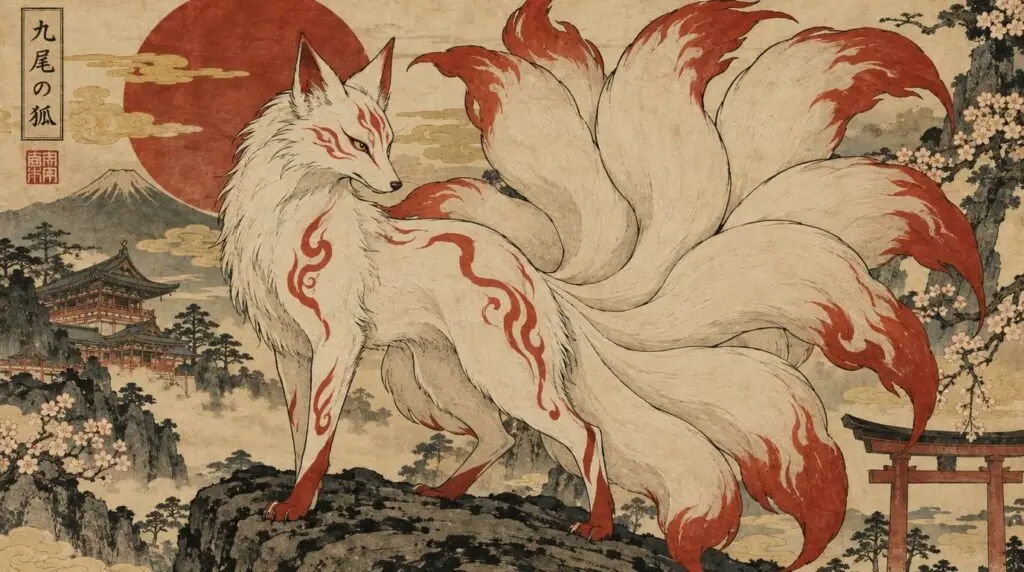
A griffin combines eagle and lion; a kitsune combines animal intelligence with shapeshifting ambiguity; a werewolf destabilizes the boundary between civilized and feral identity. Such beings suit scholarly atmospheres because they invite classification yet resist closure.
How Dark Academia Mythology Works
Dark academia mythology operates through a repeatable interpretive process. Whether building an article, artwork series, codex entry, or research-driven story, the framework usually moves from source material to symbolic atmosphere.
Step 1: Begin with a Primary Creature Tradition
Choose a creature with a traceable mythic or folkloric lineage: dragon, harpy, owl, raven, wolf, phoenix, griffin, kitsune, hydra, unicorn, or another being rooted in historical tradition.
Example: A griffin may begin in ancient Near Eastern and Mediterranean iconography, then acquire medieval associations with vigilance, sovereignty, and treasure-guarding.
Step 2: Gather the Evidence Trail
Collect the creature’s key forms across periods:
- Early textual references
- Regional variations
- Visual depictions
- Later literary reuse
- Symbolic interpretations
Input → Process → Output
| Input | Process | Output |
|---|---|---|
| Mythic source | Compare sources and variants | Historically grounded profile |
| Visual motifs | Track symbolism across eras | Dark academia imagery set |
| Folklore details | Place in setting and atmosphere | Creature with narrative depth |
Step 3: Identify the Creature’s Intellectual Themes
Ask what the creature means within a scholarly atmosphere. Does it represent:
- Hidden knowledge
- Punished curiosity
- Sacred guardianship
- Transformation
- Mortality and rebirth
- Omen and interpretation
- Boundary crossing
For instance, the phoenix fits archives, restoration, and the survival of texts after fire. The werewolf fits debates about instinct, self-control, body anxiety, and the failure of civilized order.
Step 4: Build the Environment of Encounter
Place the creature where dark academia reads best:
- Manuscript library
- Old observatory
- Crumbling manor
- Museum basement
- Botanical garden at dusk
- Winter campus courtyard
- Monastic ruin
A hydra in a brightly lit action setting produces one effect; a hydra documented through water-stained lecture papers and lake surveys produces another.
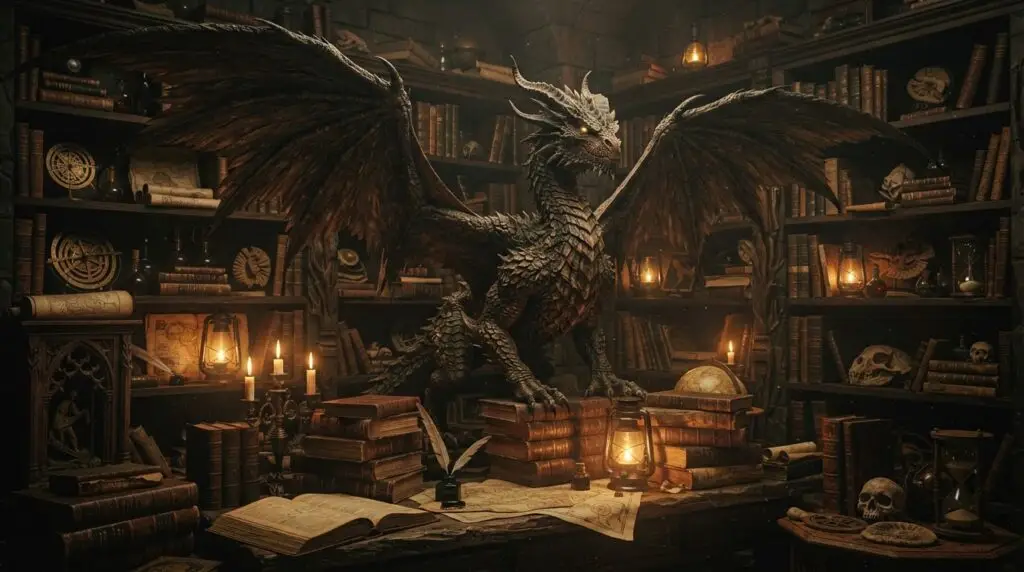
Step 5: Use Fragmented Revelation
Rather than revealing everything immediately, dark academia often works through accumulation. The creature may be inferred from:
- Marginal notes in a codex
- A damaged engraving
- Bones misfiled in a cabinet
- A professor’s disputed translation
- Local oral testimony
- Weather records linked to sightings
This method reflects real research practice, in which certainty is built cautiously and sometimes remains incomplete.
Step 6: Balance Scholarship with Mystery
The final stage is tonal calibration. Too much explanation removes wonder; too much vagueness weakens authority. The strongest dark academia creature writing preserves evidence while allowing interpretive shadow.
Types of Legendary Creatures in Dark Academia
Not every mythical being fits the mode equally. The following categories explain which creatures align most naturally with dark academia and why.
1. Guardians of Knowledge
These creatures protect thresholds, treasures, temples, tombs, or hidden wisdom.
Examples include:
- Griffin
- Dragon
- Sphinx
- Certain forms of owl as wisdom guardians
These beings work especially well in settings involving libraries, gates, reliquaries, secret collections, and elite institutions.
Pros: Strong symbolic clarity, easy integration with archives and relics.
Cons: Can become overly familiar if not rooted in specific source traditions.
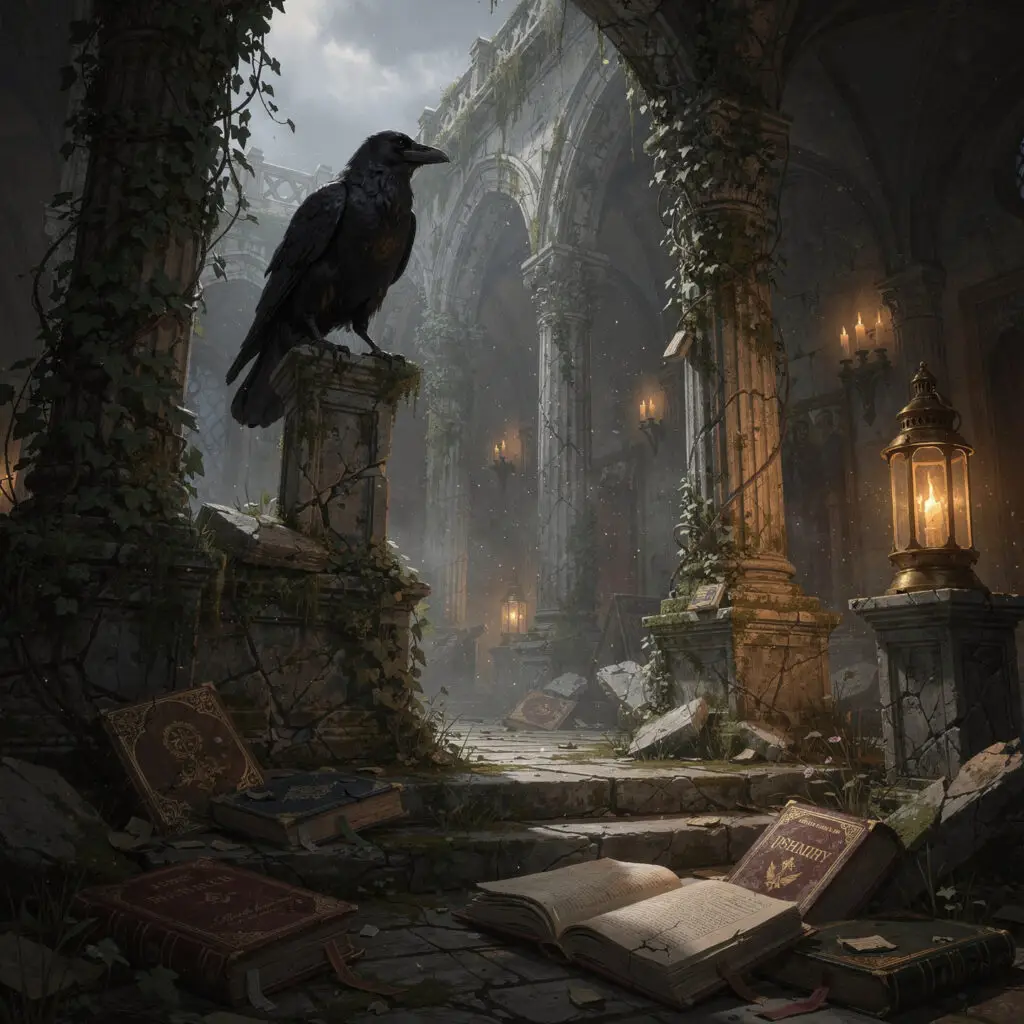
2. Omens and Nocturnal Witnesses
These creatures are associated with foreknowledge, death, hidden messages, or twilight observation.
Examples include:
- Owls
- Crows and ravens
- Spectral hounds
- Moths in symbolic usage
Such beings often function as observers rather than combatants. They suit reflective, melancholic, and heavily symbolic pages.
3. Hybrid and Liminal Beings
Liminal creatures cross boundaries between human and animal, civilized and wild, sacred and profane.
Examples include:
- Werewolves
- Harpies
- Kitsune
- Mer-beings and sirens
These figures are useful for themes of identity, secrecy, social masking, gendered fear, and psychological fracture.
4. Creatures of Catastrophe and Rebirth
These creatures are linked to destruction, renewal, plague, flame, or cosmic cycles.
Examples include:
- Phoenix
- Multi-headed monsters such as the Hydra
- Serpentine apocalypse figures in broader mythic traditions
They are especially effective in stories of burned archives, restored manuscripts, hereditary curses, or intellectual traditions that survive suppression.
5. Pure, Elusive, or Untouchable Creatures
These are beings of idealization, rarity, and impossible pursuit.
Examples include:
- Unicorn
- White stag traditions
- Certain celestial birds
They fit dark academia when the focus is desire, unattainable perfection, innocence under threat, or the ethics of pursuit.
6. Local Folkloric Presences
These beings are regionally rooted and carry strong landscape identity.
Examples may include forest spirits, manor haunt-creatures, lake beings, mountain watchers, and village monsters tied to oral tradition.
These are powerful because they make scholarship feel place-based. The researcher is not only reading a text; the researcher is entering an environment shaped by memory.
Comparison Table
| Creature Type | Best For | Symbolic Range | Research Depth | Atmosphere Strength |
|---|---|---|---|---|
| Guardians of Knowledge | Codex pages, relic stories | High | High | High |
| Omens and Witnesses | Essays, visual symbolism | Medium-High | Medium | Very High |
| Hybrid/Liminal Beings | Identity and transformation themes | Very High | High | High |
| Catastrophe/Rebirth Creatures | Legacy, ruins, cyclical history | High | Medium-High | High |
| Pure/Elusive Creatures | Desire and idealization | Medium | Medium | High |
| Local Folkloric Presences | Site-specific storytelling | High | Very High | Very High |
Best Practices for Studying and Using the Theme
1. Start with historical sources, not just aesthetics
A compelling page begins with actual mythic lineage. Use early accounts, later retellings, and visual records where possible. Even when the tone is atmospheric, the factual base should remain visible.
Common mistake: Writing a creature as “dark academia” without showing why it belongs to archive culture, classical learning, or folklore memory.
2. Define the creature’s symbolic function
Before writing, determine what the creature does conceptually. Is it a guardian, omen, trickster, witness, predator, or emblem of rebirth?
This keeps the page from becoming a decorative catalog. Symbolic role creates coherence.
3. Distinguish myth, folklore, and later fiction
Readers value clarity. Note when an interpretation comes from ancient myth, medieval commentary, local folklore, or modern adaptation.
Common mistake: Merging all periods into one flat narrative and losing historical texture.
4. Use sensory environments carefully
Dark academia works through stone, vellum, candlelight, storm weather, ink, brass instruments, taxidermy, herbariums, winter air, and echoing halls, but these should support meaning, not replace it.
Effective atmosphere is evidence-rich, not merely ornamental.
5. Integrate manuscript logic
When possible, frame discoveries as entries, notes, glosses, or specimen descriptions. This suits the customer site’s codex identity and makes pages feel internally consistent.
A dragon page might include variant names, heraldic depictions, relic references, and a note on changing symbolism over time.
6. Balance reverence with analysis
A research-journal voice can be evocative without becoming vague. State what is documented, what is inferred, and what remains interpretive.
This balance builds trust and supports search visibility for educational queries.
7. Use cross-links to build a creature knowledge web
Educational authority grows when readers can move from broad theory to specific beast entries.
Recommended internal links:
- Explore the Codex of the Beasts
- Study dragon traditions in depth
- Read the phoenix entry
- Compare the hydra as a multi-headed adversary
- Examine owl symbolism and nocturnal wisdom
- Review crows and ravens as messengers and witnesses
8. Include comparison tables and visual placeholders
Educational pages perform better when they help readers compare creature classes, symbolism, and source traditions. Tables, diagrams, and image notes improve comprehension.
9. Acknowledge uncertainty
Many legendary creatures survive through conflicting witnesses and layered traditions. Rather than flattening disagreement, explain it.
This is especially useful for creatures like werewolves, harpies, and griffins, whose meanings shift substantially across eras.
10. End with practical reading paths
A beginner should know where to go next. Provide a path from overview to species-level study, then toward deeper symbolic or regional comparisons.
Advanced Strategies and Interpretive Depth
Creature Clusters Instead of Isolated Entries
Advanced myth research often benefits from grouping creatures into interpretive clusters rather than treating each in isolation. For example:
- Owls, ravens, and wolves can form a cluster around nocturnal intelligence, death-awareness, and wild return.
- Phoenix and dragon can form a cluster around immortality, legacy, elemental power, and continuity.
- Unicorn and griffin can form a cluster around purity, nobility, guarded thresholds, and symbolic authority.
This method helps readers understand relationships among motifs, not just individual facts.
Regional Layering
A sophisticated page distinguishes between universalized modern imagery and place-specific traditions. The dragon of medieval Europe, the kitsune of Japanese folklore, and the harpy of Greek tradition should not be collapsed into a single generic “dark” category.
Instead, regional layering asks:
- Where did this creature emerge?
- How did climate, religion, politics, and art shape it?
- How did later collectors, translators, and illustrators alter it?
Material Culture Analysis
Dark academia mythology becomes richer when it includes material culture: carvings, seals, heraldry, reliquaries, maps, jewelry, marginal illustrations, architectural beasts, and museum labels.
The Ethics of Mythic Interpretation
Scholarly authority also requires care. Not every creature tradition is equally open to aestheticization detached from context. Folkloric beings connected to living traditions, ritual practice, or community memory should be handled with precision and respect.
The most credible pages avoid turning all traditions into interchangeable mood objects. They explain origin, transmission, and interpretive limits.
Archive Fiction as Educational Framing
One advanced strategy is using a lightly diegetic frame, notes from a manor library, hunt logs, specimen descriptions, relic inventories, while keeping the factual body educational and source-conscious.
This is effective because it aligns with the site voice of KaonsK without sacrificing clarity. It invites immersion while preserving trust.
Search Intent Layering
From an SEO perspective, authoritative educational pages should answer multiple long-tail intents in one structure:
- What is dark academia mythology?
- Which legendary creatures fit dark academia?
- Why are owls, ravens, dragons, and griffins common in the aesthetic?
- How do mythology and folklore differ in dark academia contexts?
- What symbols do these creatures represent?